
Let’s be honest, most classical saxophone repertoire is just too hard to play or too weird sounding for normal people. But there are some real gems out there.
In this article, I’m going to share with you the most accessible pieces and then show you some new works that are actually perfect for intermediate players.
Accessible Pieces That Actually Sound Good
You may have noticed that the saxophone repertoire jumps from approachable transcriptions of student etudes directly into face melting conservatory pieces.
That’s mostly because the saxophone is a young instrument, only invented in 1846. So we don’t have centuries of composers writing for it at all levels as we do with other instruments.
Here’s my list of existing pieces written for saxophone that sound great and are fun to play but don’t require virtuoso ability.
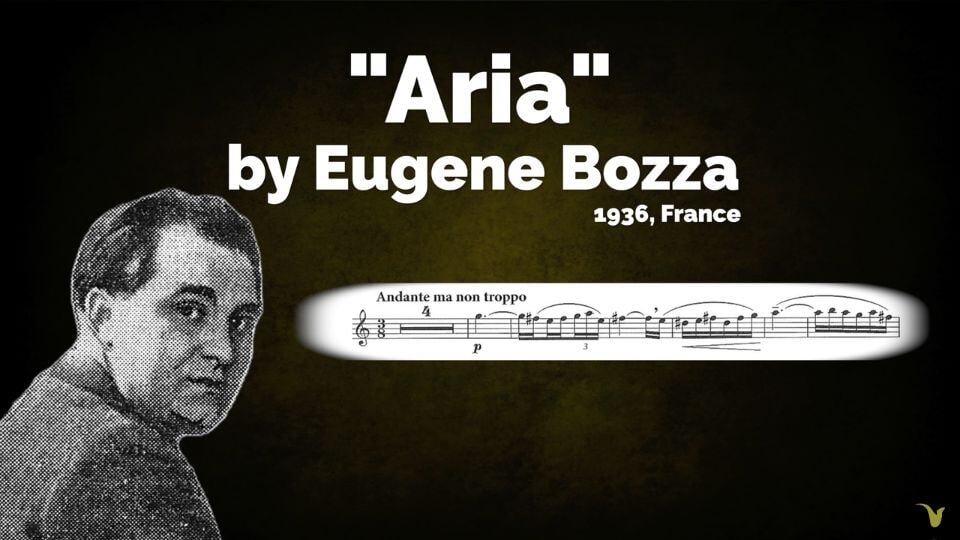
Eugene Bozza was a half French half Italian composer from Nice, France, which incidentally is where I live. His Aria for saxophone is great for developing tone and phrasing. Just because the notes don’t go by quickly doesn’t mean it’s easy though. This piece will test your embouchure endurance.
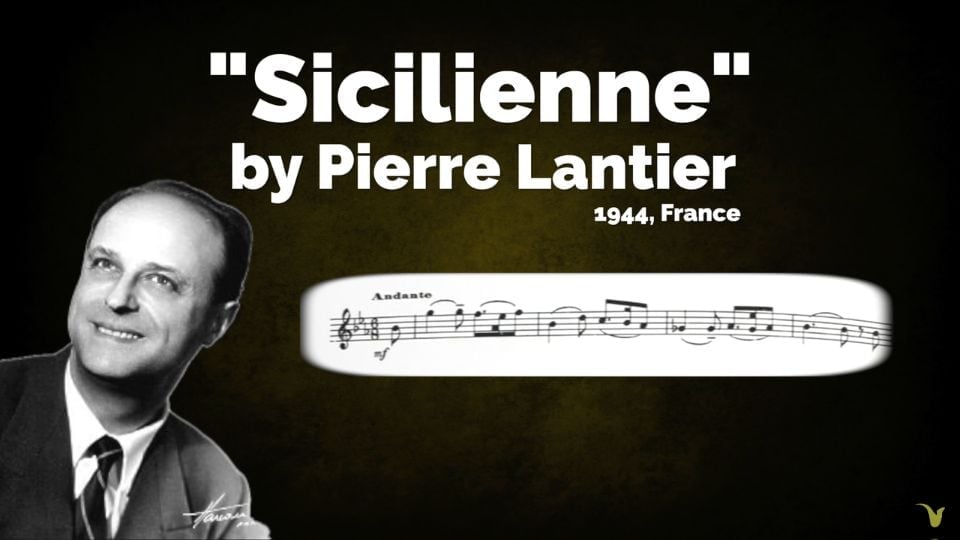
Pierre Lantier was a French composer from Marseille also in the beautiful south of France. His Sicilienne is very accessible to an audience and can show off how beautiful classical saxophone can sound. It’s fun to play and relatively easy.
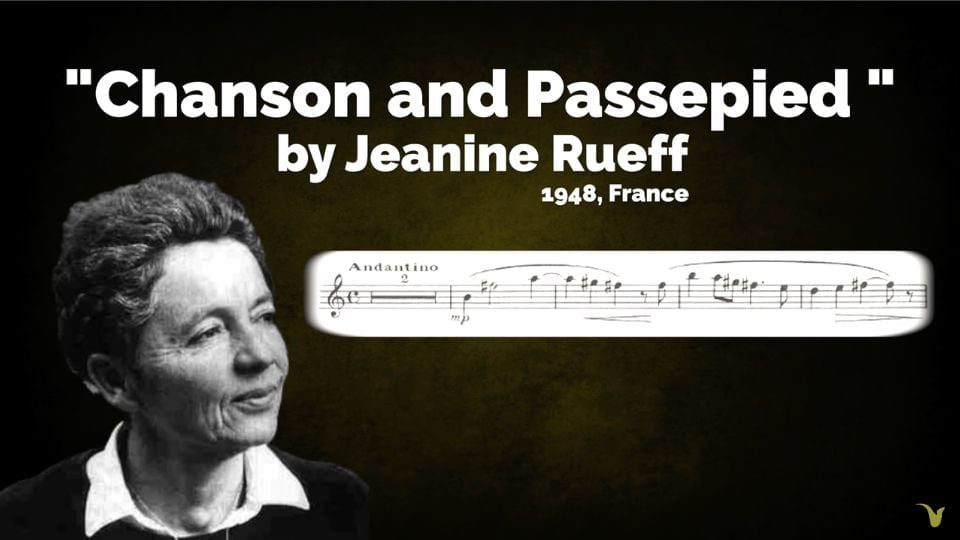
Jeanine Rueff was another French composer from Paris who worked at the Paris Conservatory alongside saxophone teacher Marcel Mule. Her composition Chanson Et Passepied is a staple of the saxophone repertoire that develops musicality and technique in a balanced and accessible way.
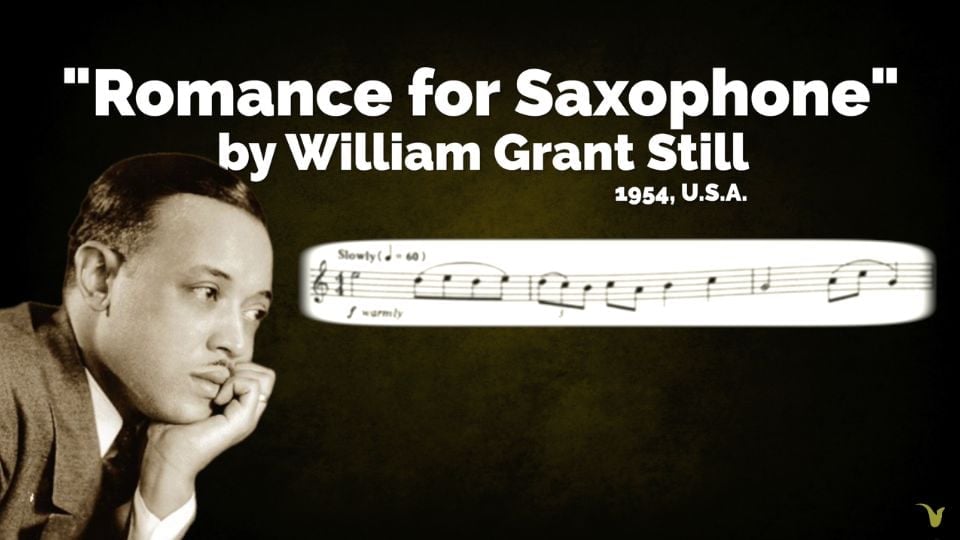
William Grant Still was a very important American composer who helped bring African American musical influences into the classical world. And you can really hear that in his Romance for saxophone. It’s lyrical, expressive, and not technically overwhelming. This is the type of piece we need more of in the saxophone repertoire.
The Problem With Saxophone Repertoire
Those four pieces are pretty much the short list of musically and technically accessible saxophone repertoire.
What the classical saxophone world really needs are more pieces written for the saxophone that bridge that gap so that casual players and students have a wider selection of music to choose from.
There just so happens to be a new collection of pieces written by my former teacher Dr. Robert Faub which are specifically designed to be approachable fun vehicles for developing various fundamental elements of good saxophone playing.
These compositions span a wide range of styles and musical eras and highlight musical traditions from around the world.
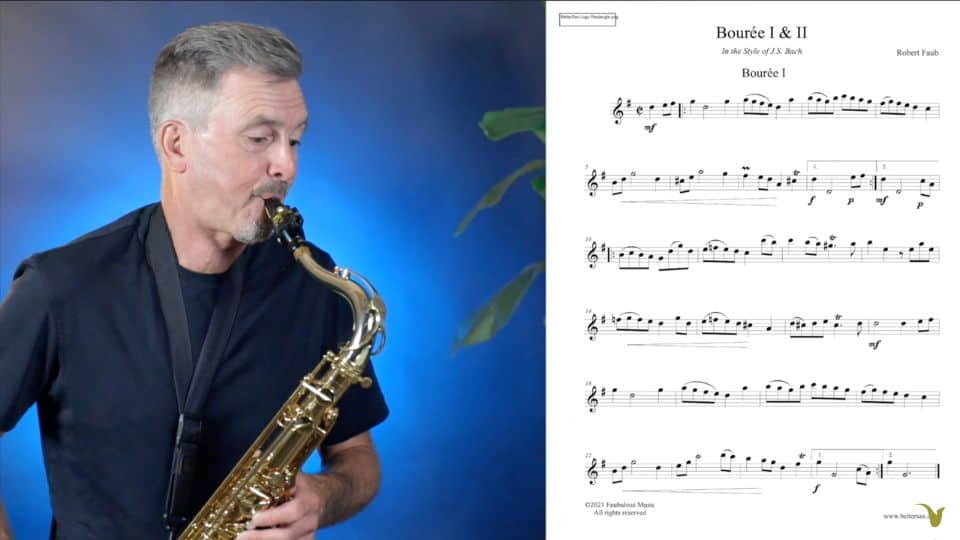
There’s an unaccompanied Baroque piece in the style of Bach.
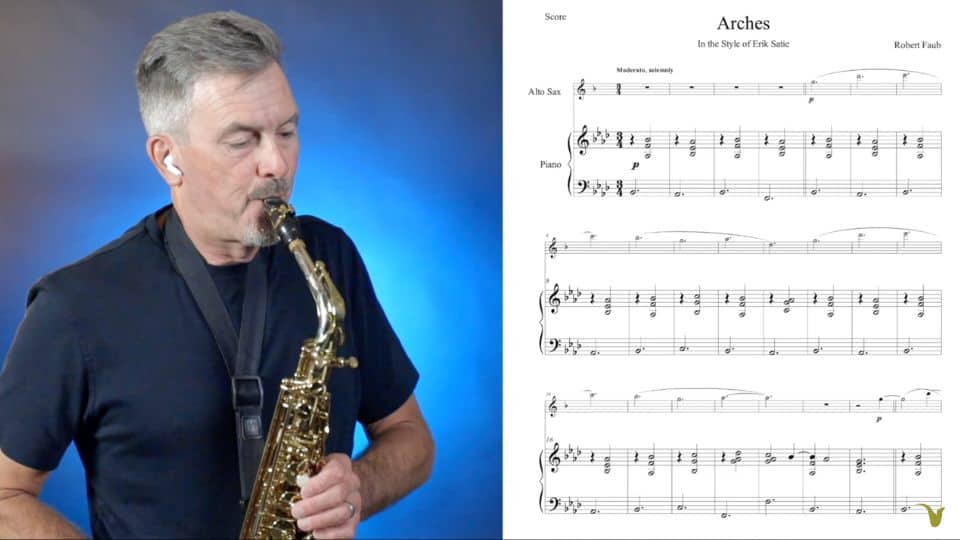
A piece inspired by Erik Satie minimalism.
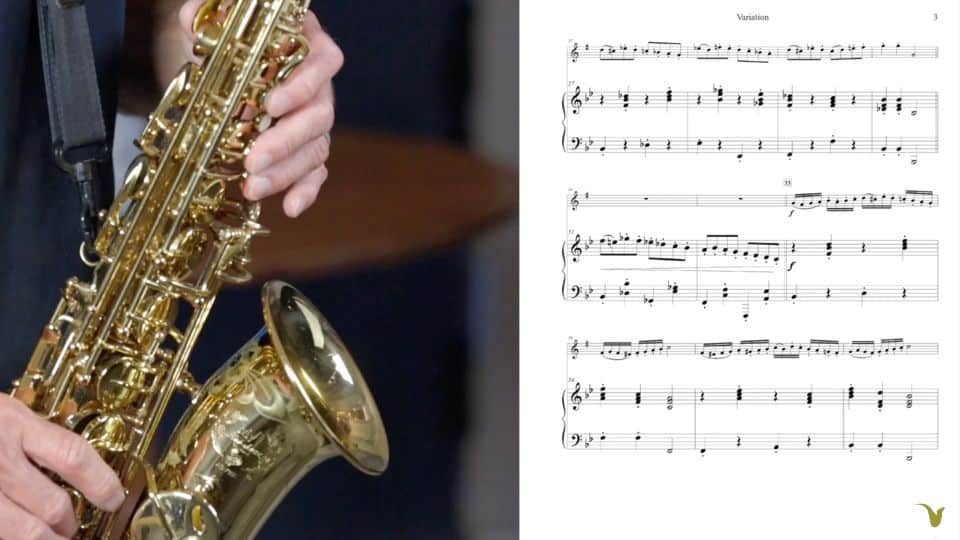
This one draws inspiration from 19th century ballet.
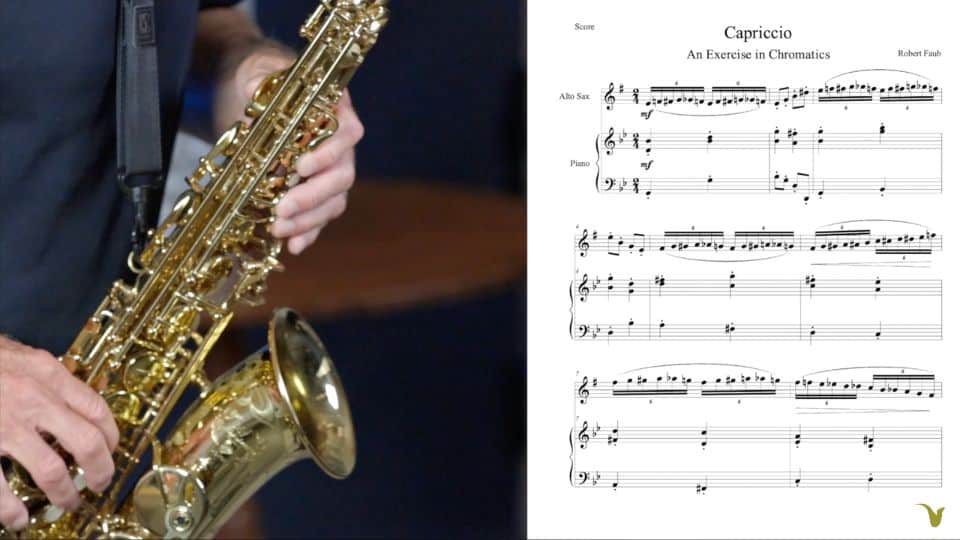
Another piece is inspired by Eugène Bozza and Marcel Mule.
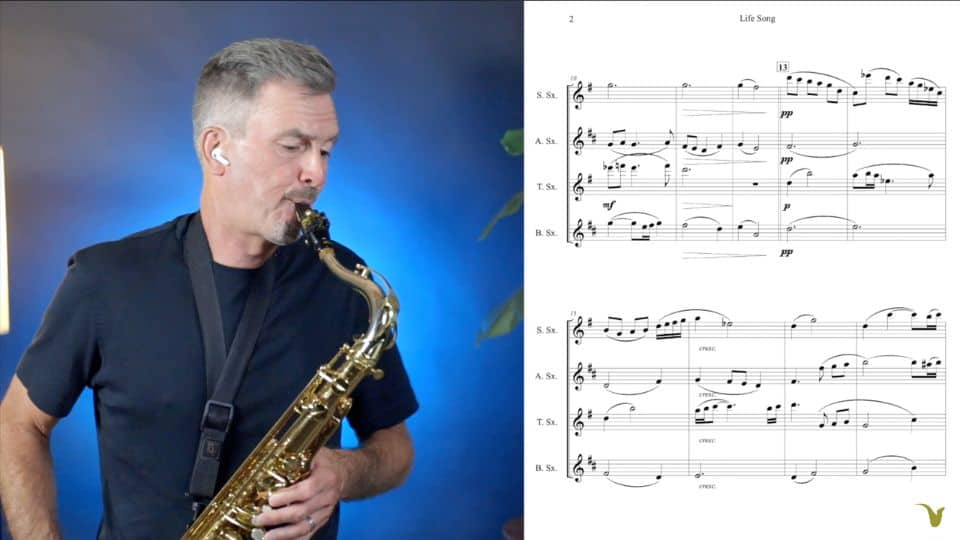
There’s a beautiful saxophone quartet that could be from a movie soundtrack.
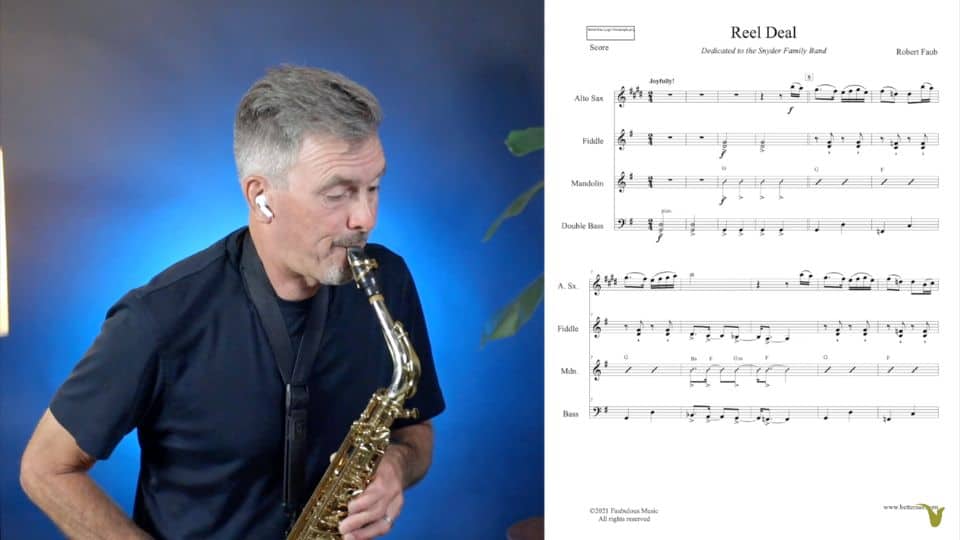
A work inspired by Appalachian Bluegrass.
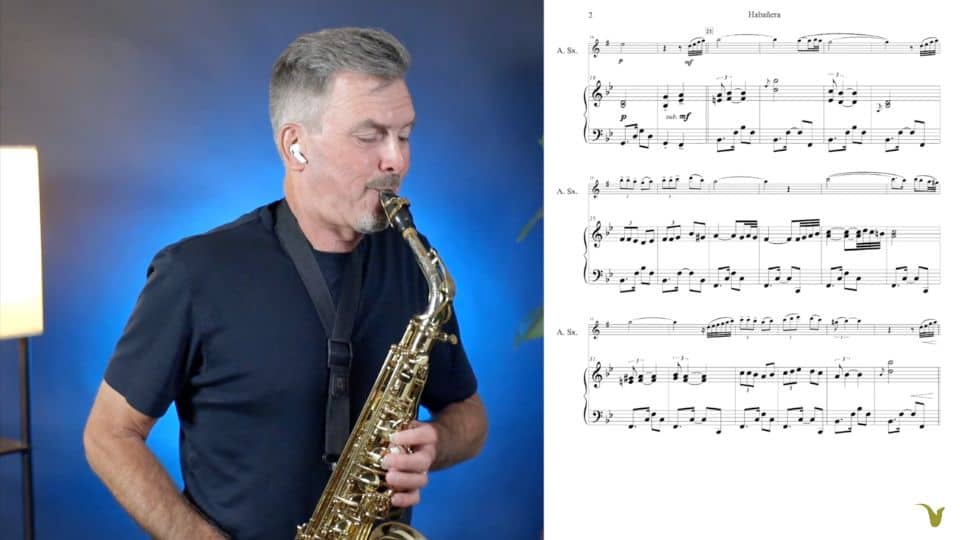
Another based on a Cuban habanera.
And even more.
Each one of these works is excellent, but most importantly, they are all written by a renowned saxophone teacher with the goal of filling that gap in the saxophone repertoire.
On top of that, inside the BetterSax membership is a full video course with in depth lessons on each piece. The exact type of instruction that before you would have had to be enrolled in a music school or conservatory to get.
Now, as a member of BetterSax, you can get access to both volumes of Bob Faub’s Classical Saxophone Mastery course, as well as tons of other courses that will quickly level up your sound and playing ability in other styles of music as well.
You can also opt to just get the digital download version of these pieces that include the sheet music, all the accompanying parts as well as backing track recordings with and without the saxophone.
If you teach saxophone, these are going to give you some fresh new material both you and your students will love working on.
When I studied with Bob, we spent a lot of time working on sound and embouchure development.
So, read this article next where I show you a 5 minute daily exercise that will transform your saxophone tone in a good way.