

Check out the audio podcast version of this post on Apple Podcasts or Spotify.
Have you been struggling with the altissimo range no matter how much you practice?
It used to feel impossible for me too until breakthroughs with my air, embouchure and mindset finally made everything click. In this article, I’m sharing seven tips I wish I knew sooner that unlock altissimo so that you can finally play those high notes too.
By the way, I made a PDF fingering chart for you with the exact altissimo fingerings I use for alto and tenor. Click here to get it for FREE.
Tip 1 – Mouthpiece Doesn’t Matter
There is a lot of talk about which kinds of mouthpieces are better for altissimo. Some say that you need a high baffle or a smaller chamber mouthpiece or a metal mouthpiece. You can ignore all of that. Every good mouthpiece can play altissimo.
To prove it to you, I’m going to demonstrate everything in this article on the BetterSax Classic alto mouthpiece that comes with our entry-level saxophones and sells for under $40. If you have a decent mouthpiece, you can play altissimo. Yes, you may find that some mouthpieces make it slightly easier, but the thing stopping you is probably not your mouthpiece.
Tip 2 – Start Using Front F Key
Everyone can do this first step I’m going to show you, and it will immediately make playing altissimo so much easier. Your front F key is the gateway to the altissimo range.
Start replacing your palm key fingerings for E, F, and F# with the front fingerings that I also put in the PDF.
This is how you play front E And front F:
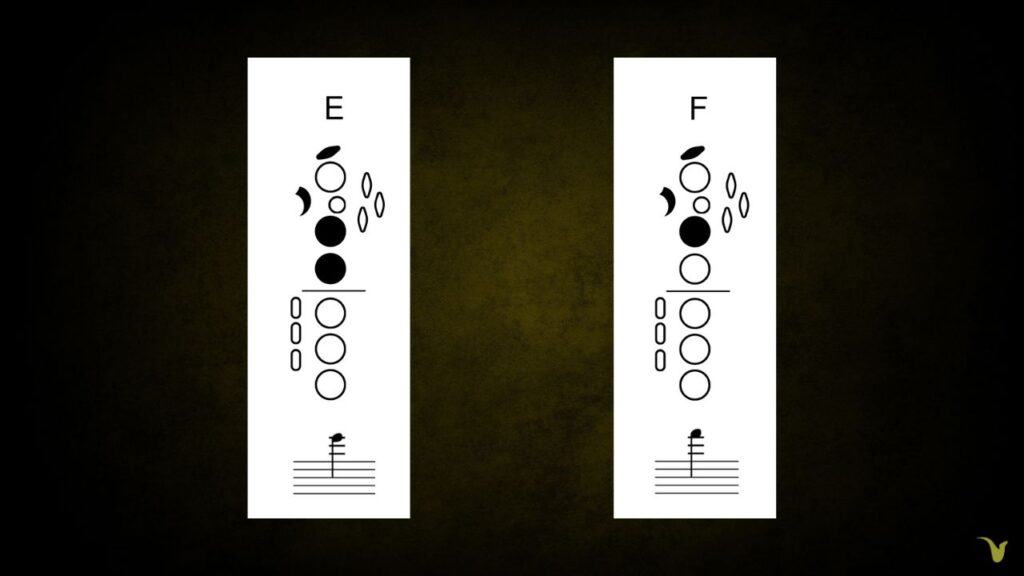
Those two are the same on alto and tenor, but F# is different.
F# on alto and tenor:
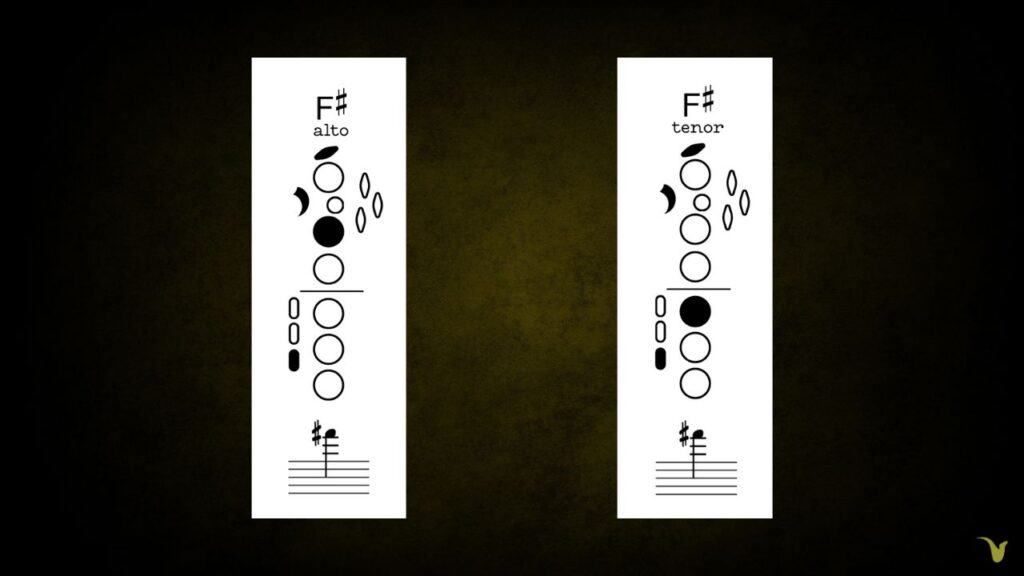
Start using those front fingerings all the time when you practice scales and exercises or play your music. This way you’re doing prep work for the altissimo range in your daily practice.
The first true altissimo note is going to be high G for most saxophones, but playing high F# with this fingering is essentially playing altissimo. So now all you have to do to get your first altissimo G is slide into it from F#.
Here are my fingerings for altissimo G on alto and tenor from the PDF:

Now don’t worry if that G doesn’t come out cleanly at first. This is mainly a fingering hack. The following tips are going to correct the mistakes you’re likely making that are preventing the altissimo notes from coming out.
Tip 3 – Loosen Your Embouchure
The number one thing likely holding you back from the altissimo range is how much pressure you’re putting on the reed. If altissimo doesn’t come out easily for you, I’ll bet you are biting way too hard.
You have to resist the urge to tense up and put extra pressure when playing high notes. Too much pressure is going to make it impossible for those notes to come out. Try loosening up and letting the reed vibrate freely and watch what happens.
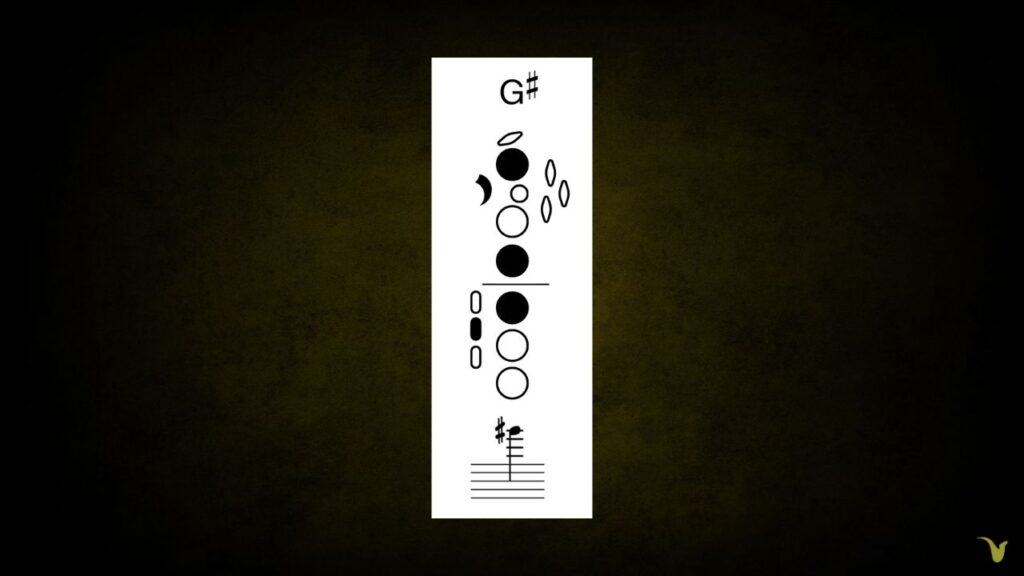
Here’s the fingering I use for altissimo G# on alto and tenor:
Tip 4 – Less Air
Apart from biting too hard, you’re probably blowing too hard as well. The higher you go up on the saxophone, the less air you actually need to get the notes out.
This is just logical. For low B-flat, the tube is the longest it can be. That note needs the most air. Altissimo notes are working on the shortest tube. A very small amount of air here goes a long way.
Make sure you don’t over-blow those altissimo notes and you’ll have a lot more success.
Here’s the fingering I use for altissimo A on alto and tenor:

A is one of the easiest altissimo notes and I can play it with a number of fingering combinations which brings me to our next tip.
Tip 5 – Fingerings Don’t Matter
If you look around, you’re going to come across a lot of different fingering options for altissimo notes. But the truth is fingerings in the altissimo range don’t actually matter all that much.
Try the fingerings on my PDF, but check out any other fingerings you come across and experiment with those too. The idea is to find a set of fingerings that work well for you on your saxophone. My fingerings have evolved and changed over the years many times.
The point is, if you’re not getting altissimo notes out with consistency, the fingerings you’re using are probably not your problem.
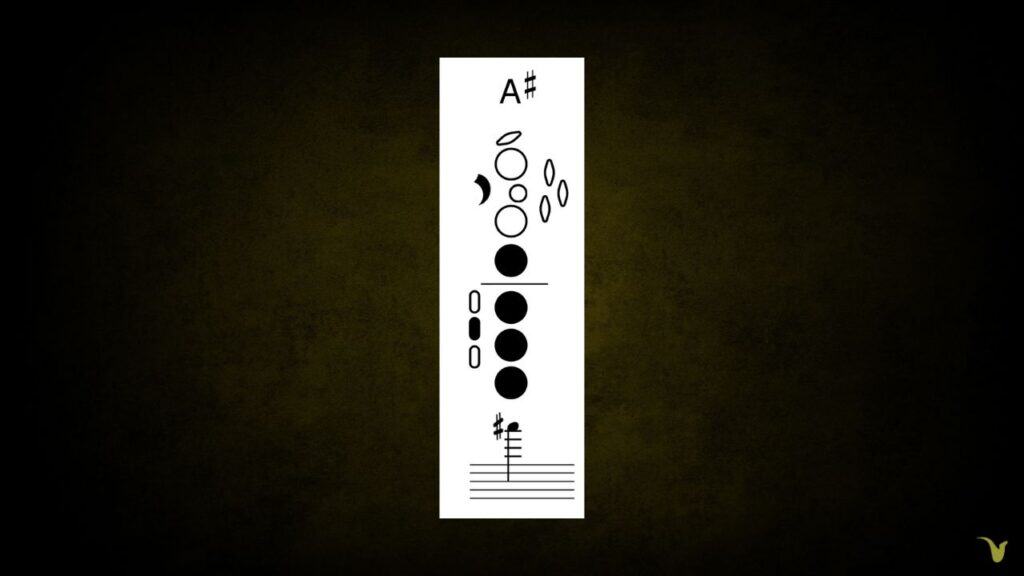
Here’s the fingering I use for altissimo A# or Bb on alto and tenor:
Tip 6 – Practice Overtones
Once you stop biting, overblowing, and worrying about your mouthpiece and fingerings, the best preparation for success in the altissimo range is practicing overtones.
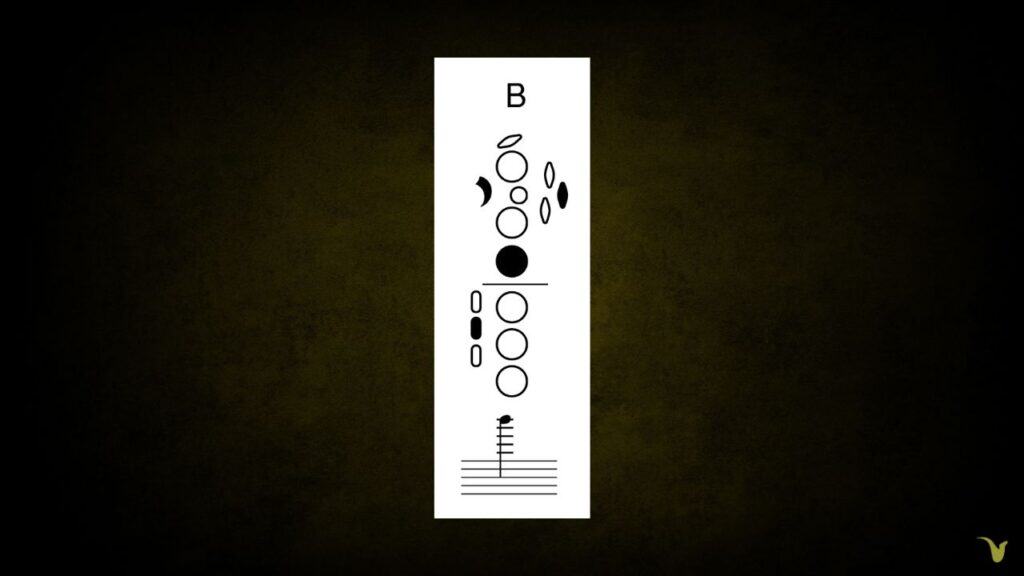
I made a separate article on this topic that you can read. But not only will overtones help you with your altissimo range, they’re going to help you develop a richer, more robust sound. They’ll also help you with tonal and embouchure flexibility. Don’t skip your overtone practice. It’s going to lead you to popping out altissimo B on saxophone.
Here’s the fingering I use for that note on alto and tenor:
Tip 7 – Consistency
I remember spending some really frustrating time in the practice room trying and failing miserably at altissimo. Don’t be like me.
Rather than allow yourself to get all frustrated because you can’t get the notes out, take a more patient approach. Instead of spending large chunks of time on altissimo, I want you to spend only a couple of minutes on it. But do that every day.
It doesn’t matter if the notes come out at first. Just follow the tips in this article and work on getting one note out at a time. After a minute or two, move on to something else and put altissimo on hold till the next day.
The secret to mastering anything is consistency over a long period of time. You’re not going to master the altissimo range in a single practice session, but if you work on it every day for a while, you definitely will.
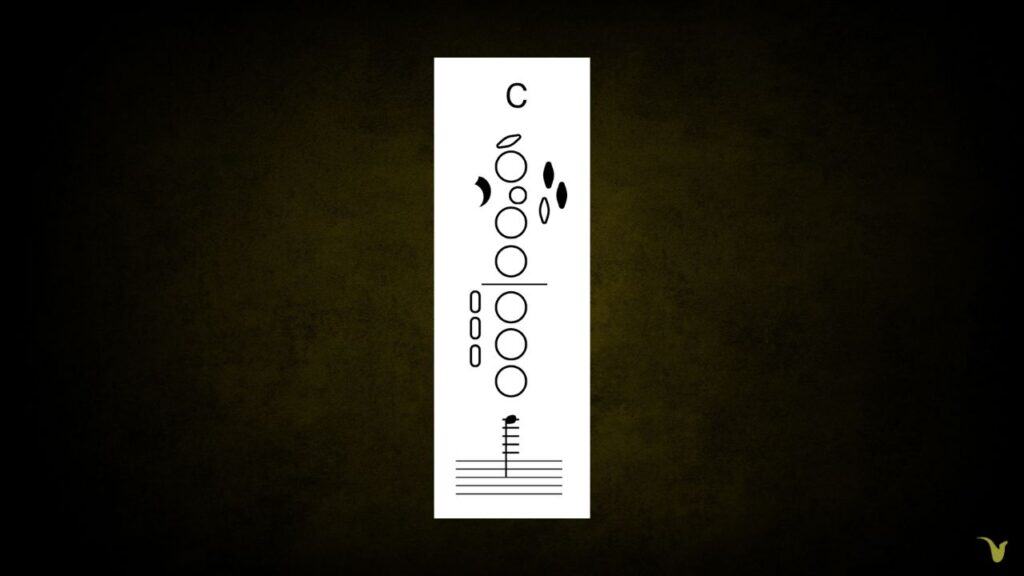
Here’s the fingering I use for altissimo C on alto and tenor, it might be the easiest one to get:
Be careful though. If you don’t have a solid saxophone embouchure, you’re always going to struggle with altissimo notes.
Go read this article next where I show you my easy embouchure anyone can master that will give you a beautiful tone every time. With that embouchure, altissimo is a breeze.





1 thought on “Altissimo Was Hard Until I Did This”
Thanks Jay, appreciate all your help. 🎷🎷🎷