

Check out the audio podcast version of this post on Apple Podcasts or Spotify.
Ever wonder what pro sax players actually practice?
I worked on scales and arpeggios for years without making any real progress, until I discovered a way to practice that led to huge gains.
This method is simple and incredibly effective. It transforms basic exercises into the ability to improvise great solos that land perfectly on the chord changes. The key? Build your practice around learning songs. After all, performing songs is the goal. So that should be the main focus of your practice.
Exercises on their own are great for building technique. But if you don’t apply them to tunes, it’s like spending hours on Duolingo and never saying anything in the language you’re learning.
Eric Alexander said “I practice with playing in mind. What I’m really doing is taking harmonic concepts, rather than just running them as they are on paper through the keys, and applying them directly to songs.”
Take a tune. Do your practice within the context of the tunes you’re working on, and you’ll discover how valuable those exercises really are.
We’ll use the jazz standard All of Me for this lesson. By the way, I’ve made a free PDF download to go with this. Click here to get it for FREE.
Step 1 – Scales
Instead of just practicing scales, we’re going to apply them directly to the chord progression, like this:
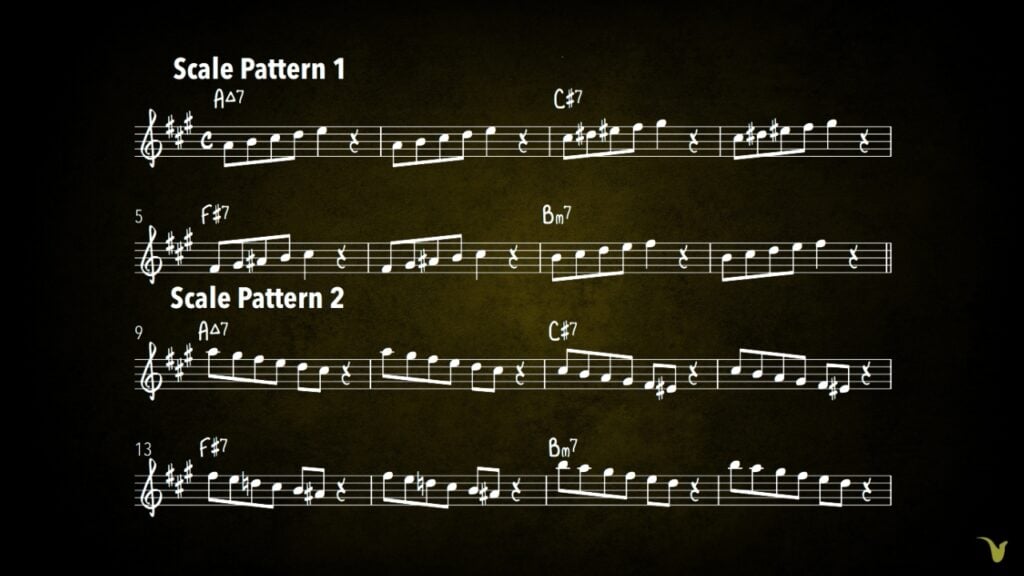
There are endless ways you can apply scales to chord progressions. The more you do this, the better you’ll get at playing real tunes. Let’s take this to the next level.
Step 2 – Chord Tones
Next, instead of playing isolated arpeggios, practice them over chord progressions:
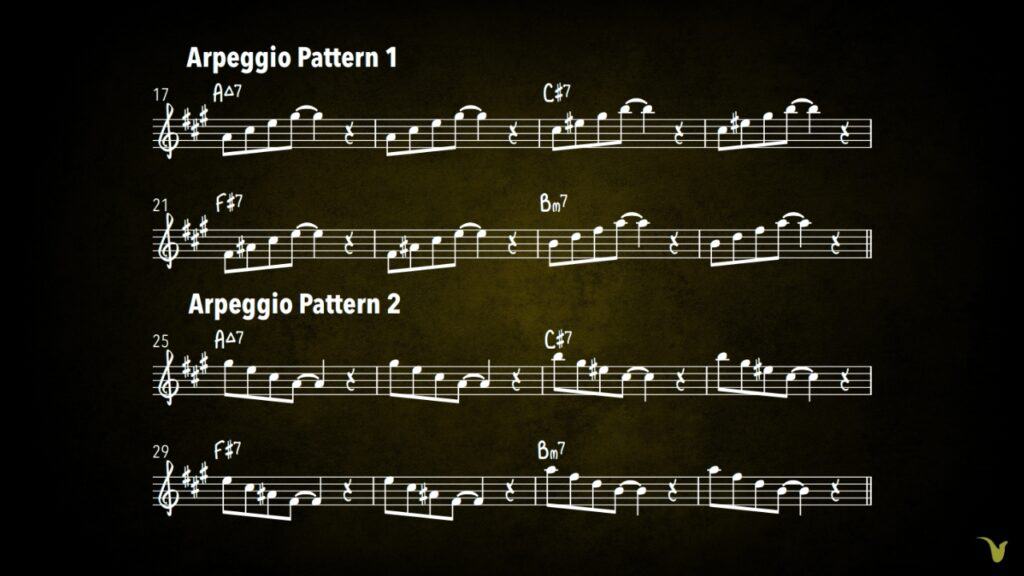
These are just a couple of basic examples, but even at this level they already sound musical. Now try combining scale and arpeggio practice:
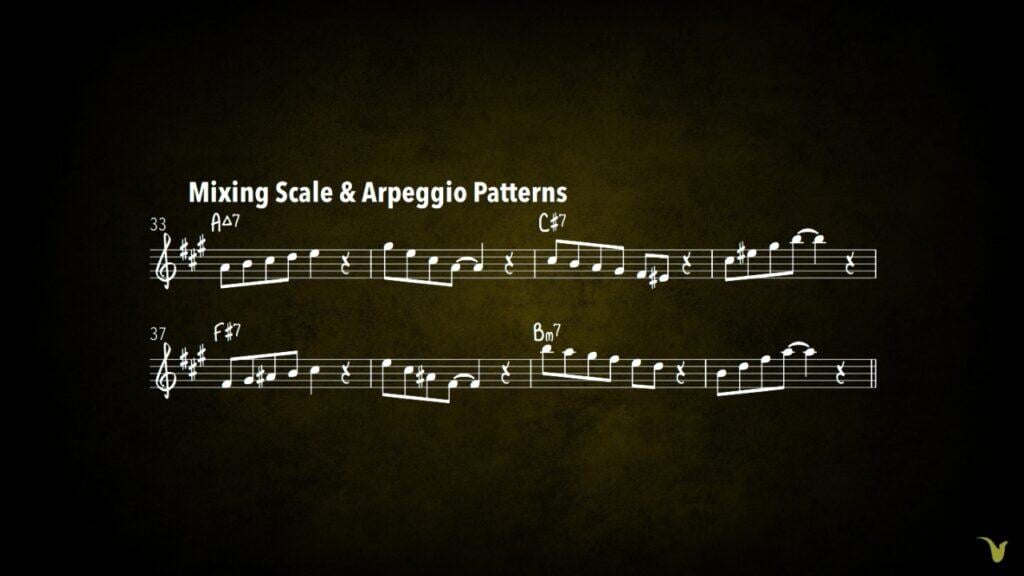
This approach gives you a major boost. You’re working on technique, but you’re also drilling the harmonic structure of songs you’ll be performing with others. And it’s way more fun than dry exercises.
But we’re not done yet.
Step 3 – Jazz Language
Once you know your scales and arpeggios, you need to add real jazz language to your playing. Otherwise, you’ll still sound like you’re just running exercises.
Try a few basic public domain licks and apply them to the chord progression:
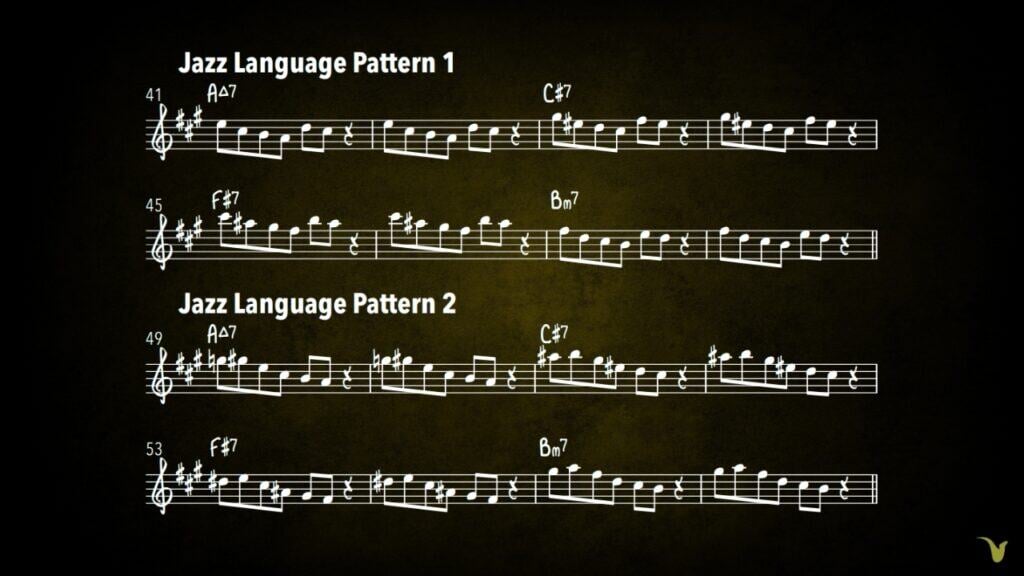
Now alternate between the two:
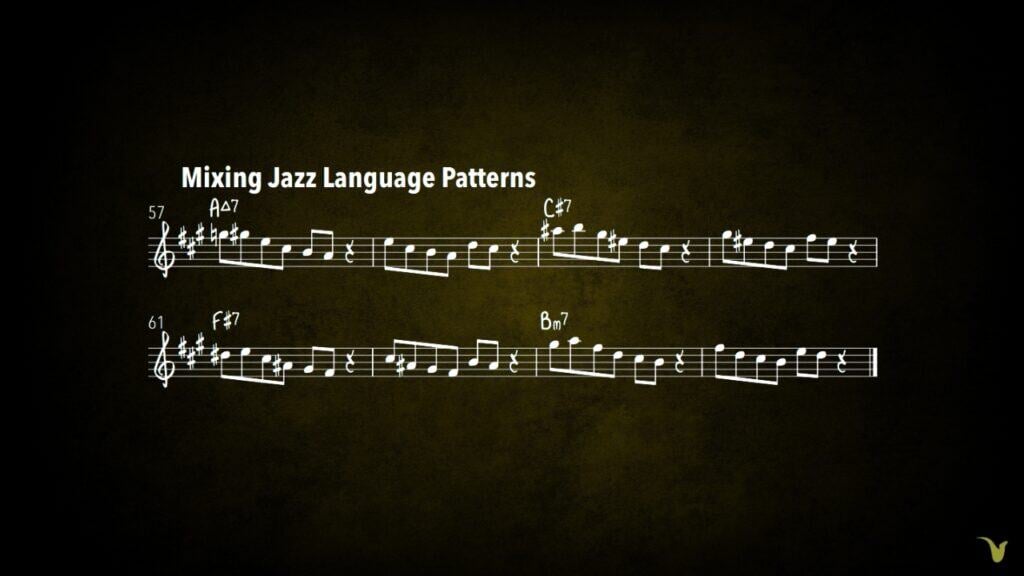
This is technically challenging and pushes you to know your chords. But this kind of practice gets you ready to improvise solos that truly sound good, and make musical sense.
This method is exactly what we work on inside the BetterSax Membership. We’ve had students go from never having improvised before to confidently soloing over jazz standards.
Click here to learn more and join us.
Step 4 – Lose the Training Wheels
Here’s the truth: you’re spending too much time practicing with backing tracks.
Don’t get me wrong, backing tracks are fun. But they can seriously slow down your progress if you rely on them too much. It’s like a kid who never takes off their training wheels.
You need to be able to:
- Keep time
- Track the form
- Play confidently without outside help
Start by practicing the material from the PDF without any accompaniment. Focus on shorter sections of the tune. Loop them. Work slowly and make sure your notes and rhythms are right.
Then put on a metronome, just on beats 2 and 4, and work with that. Your goal is to make listeners to be able to clearly hear the chord changes.
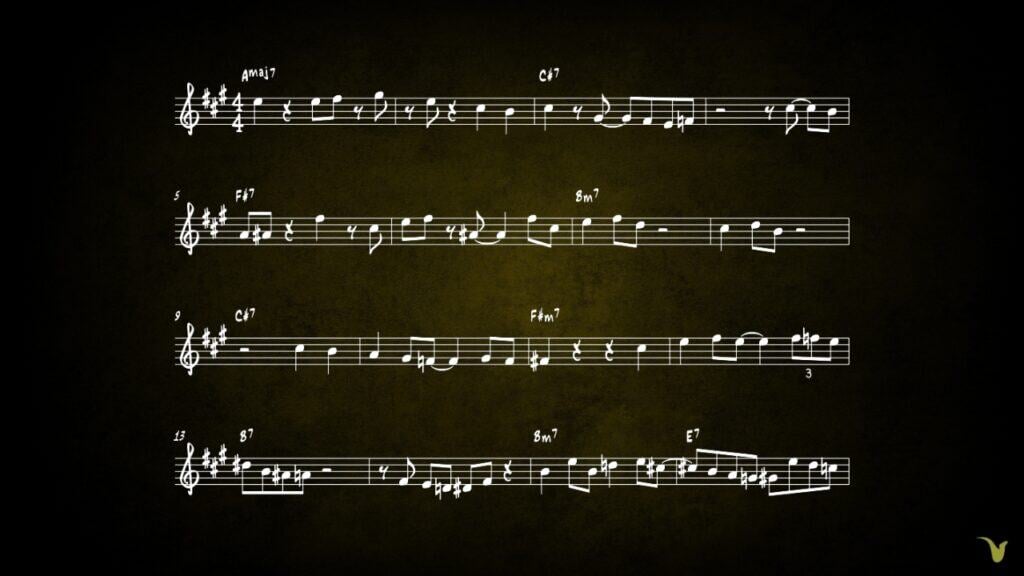
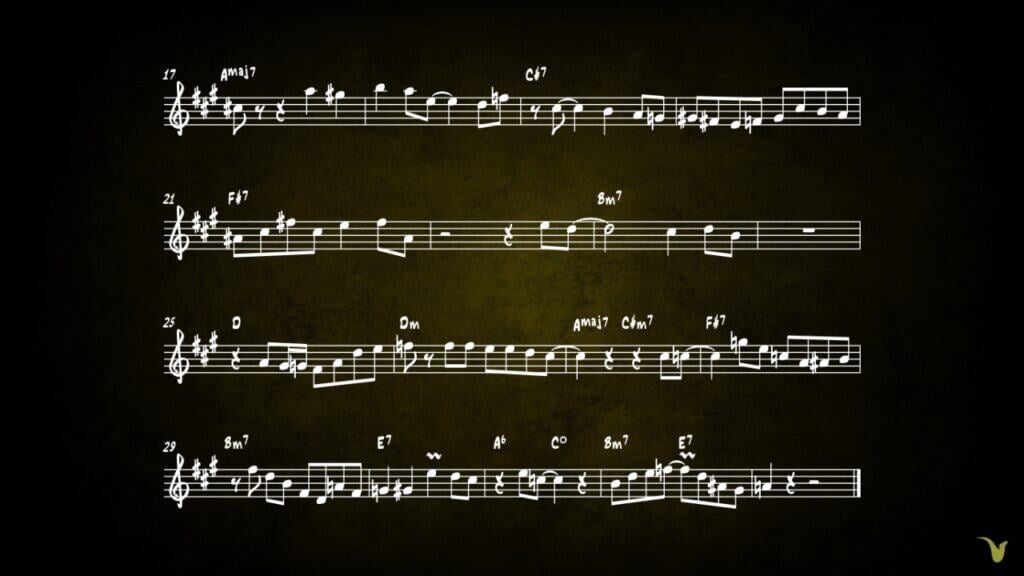
Once you hit that level, then go back to playing with backing tracks. It’ll be so much more fun now because you’ve built real confidence, and your solos will sound amazing.
What Makes Solos Sound Good?
Why do some combinations of notes sound better than others? Knowing the answer to that question is what separates great soloists from the rest.
Click here to read this article next to find out how to start choosing the right notes in every soloing situation.





2 thoughts on “Just Practice Like This Every Day – Jazz Saxophone”
Hi Jay,
is there a backing track available for this?
We do have a great backing track available at BetterTrax.