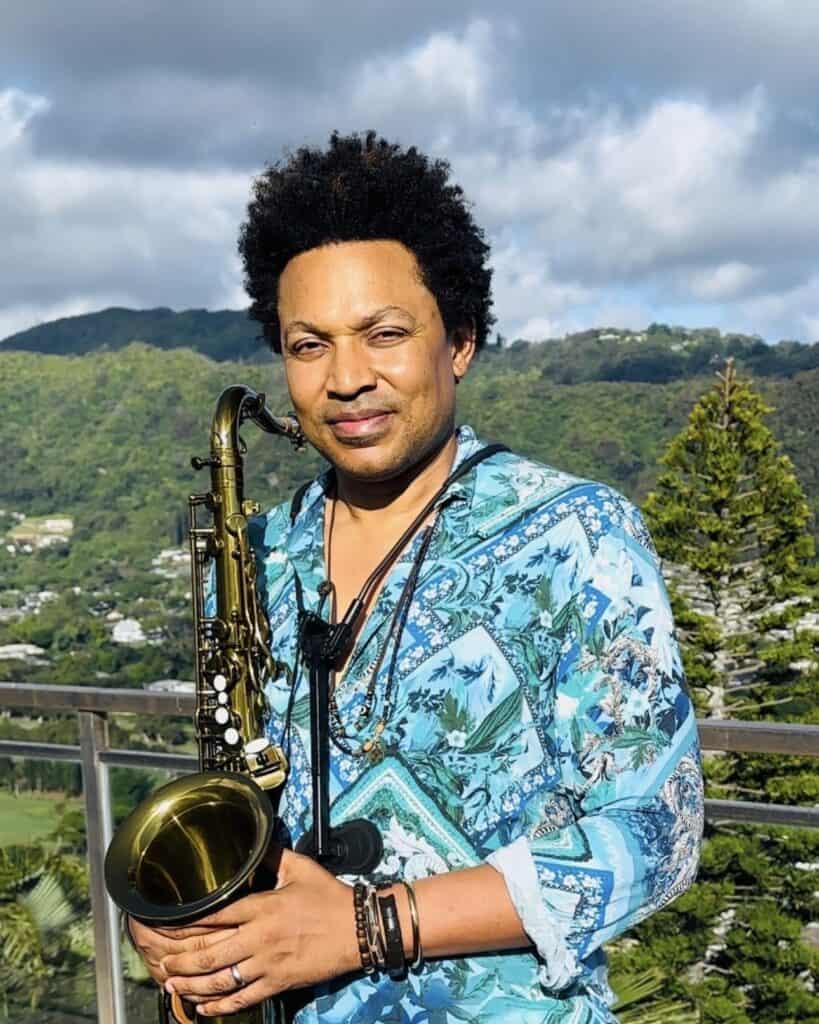
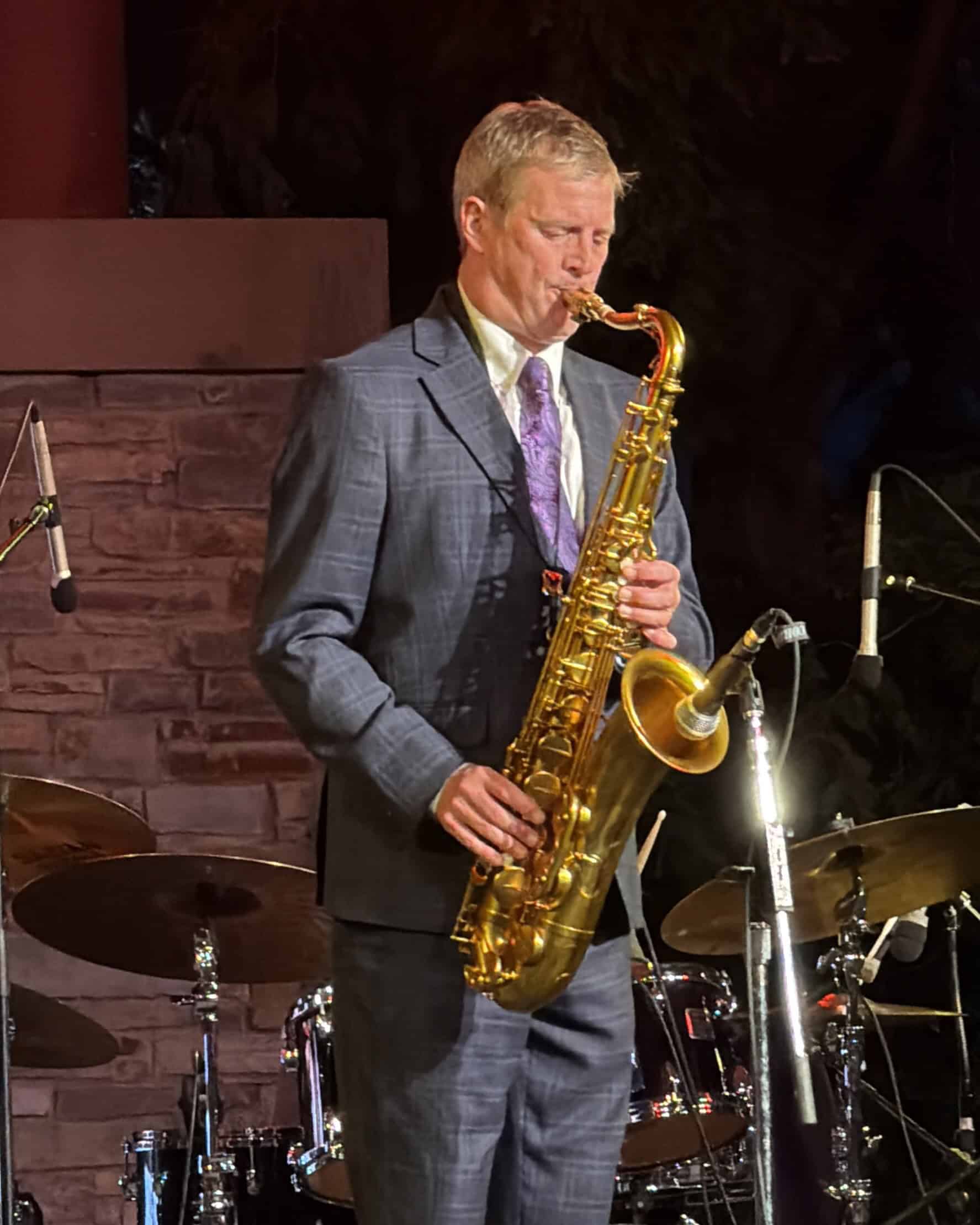
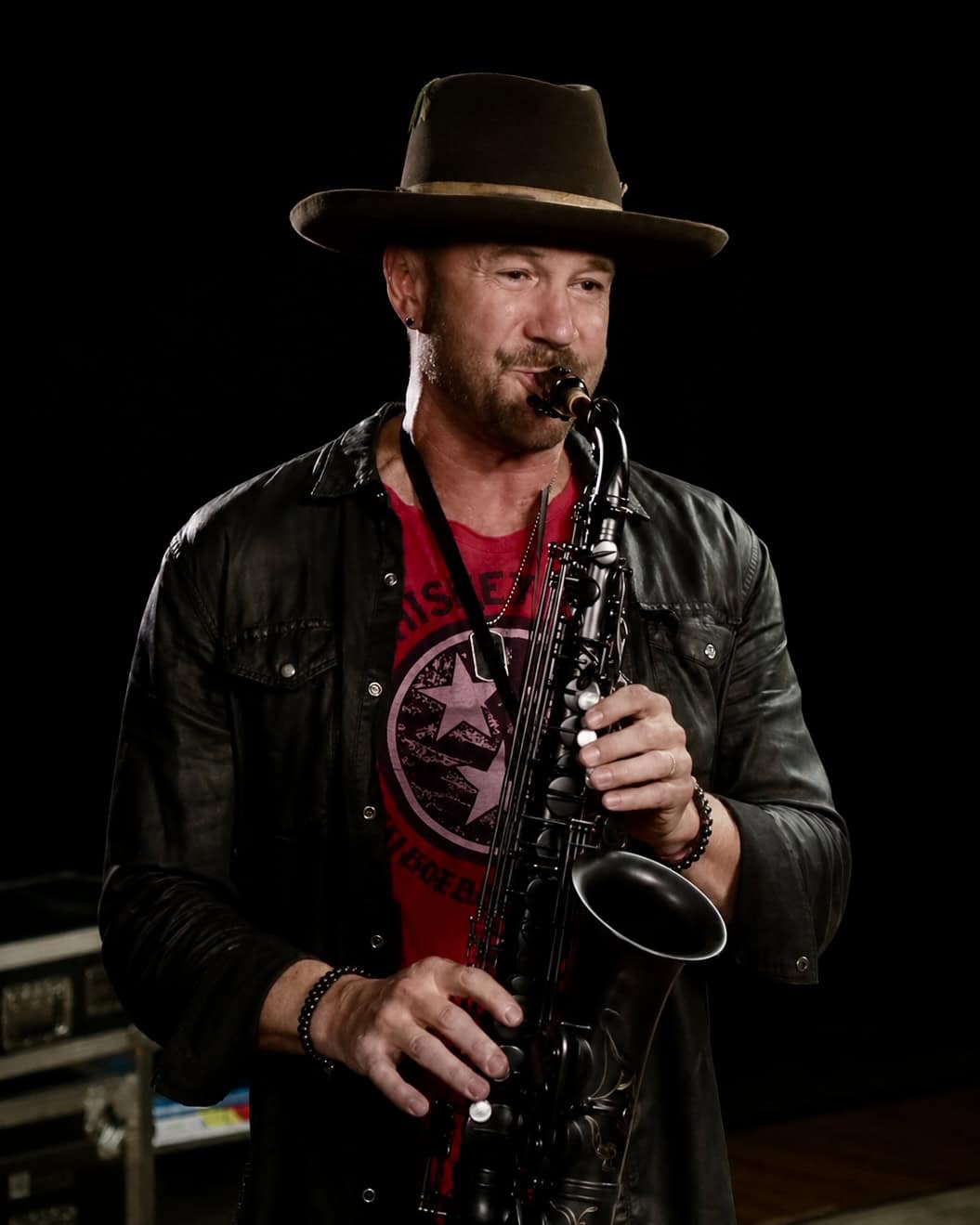
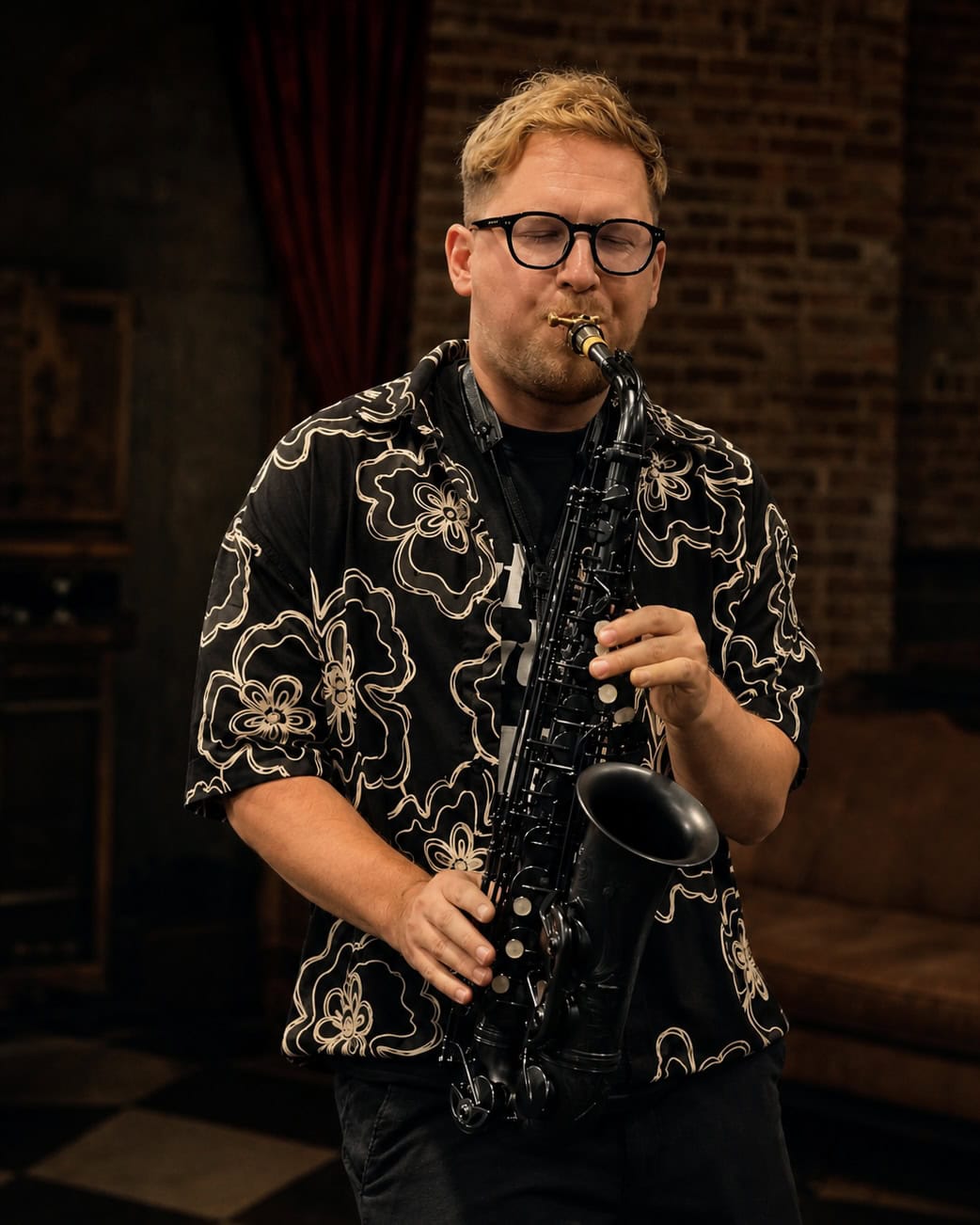
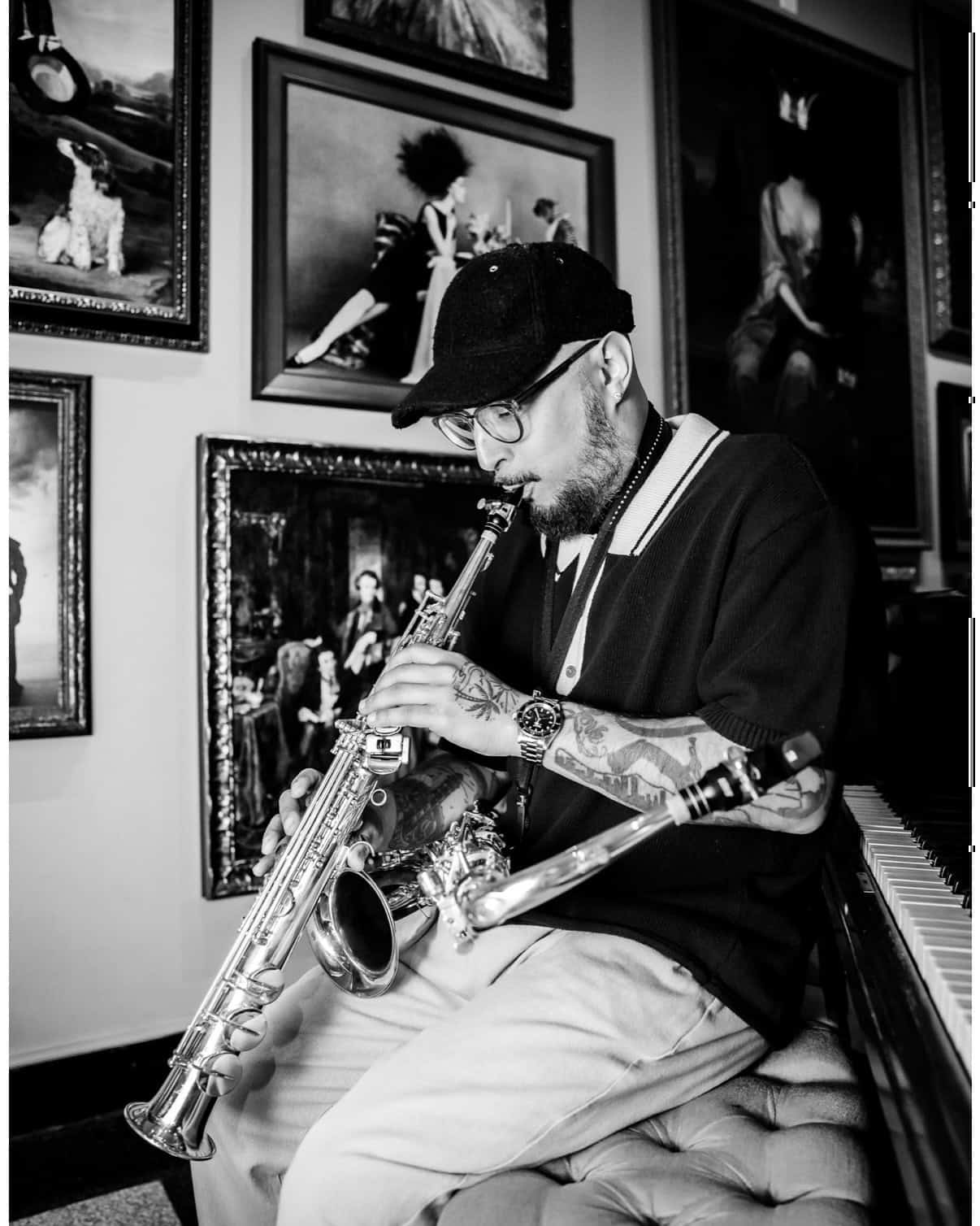
Jason Gay is a saxophonist, bandleader, teacher and clinician who is based in Honolulu, Hawaii. Originally from Washington DC, Jason Gay began performing professionally at age 16, touring various major cities up and down the east coast with the musical and theatrical youth group “Uprising”, operating as leader of its jazz component. He then moved to Boston where he attended Berklee College of Music and studied with Joe Viola, Tomo Fujita, and George Garzone. During this time, Jason went on to win first place in the NAACP competition for “Best Instrumentalist” also placing first in the Joe Kennedy Jr. competition which awarded him a partial scholarship to Virginia Commonwealth University, where he went on to earn a bachelor of arts degree in jazz performance. Jason then went on to serve eight years as a Unit Leader, saxophonist and Clinician in the US Navy band where he offered workshops and led musical groups all across America as well as Australia, Singapore, Vietnam, Cambodia, Philippines, and Guam.
Jason Gay has collaborated and performed with Mos Def, Boys 2 Men, N’Sync, Medeski Martin and Wood, Ravi Coltrane, Mulgrew Miller, Steve Lacy, Jeremy Pelt, Nate Smith, John Blackwell, members of Butcher Brown and The Temptations.
After leaving the Navy, Jason took a three-year deep dive into the study of traditional Chinese folk songs, transcribing, listening, and reinterpreting the melodies. This study led to his first self produced album “Jason Gay Dynasty” released in 2017, which is available on all streaming platforms.
Immediately after this, Jason began studying and transcribing the music of old blues guitarists such as BB King, Stevie Ray Vaughan, Elmore James, Duane Allman, and Jimi Hendrix. Having learned more than 120 solos, Jason began expanding and creating a new blues based language on the Saxophone, increasing awareness of more sonic possibilities that can help maximize tonal expression.
Jason also created the first Sidney Bechet method book. He feels that Bechet’s sound is highly recognizable, but his musical contributions are heavily overlooked.