

Steve Wilson has had the pleasure of recording with some of the most well respected jazz musicians in the industry. We sat down with Steve and asked him to walk us through how he actually practices, how he thinks about sound, and what he’d tell developing musicians who are serious about making this a career. His answers were straightforward, but a few of them genuinely caught us off guard.
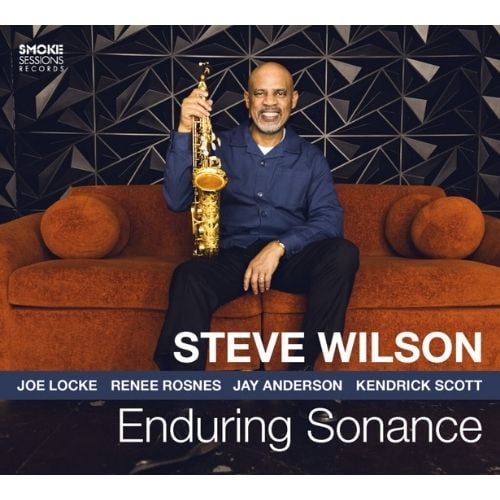
New Album – Enduring Sonance Steve Wilson
The Fundamentals Are Non-Negotiable
Steve’s daily routine starts basically the same way every time, long tones! He places a towel in the bell of the horn to create back pressure, which helps open up the sound and keeps the embouchure relaxed and flexible from the start. He works from low to high, slowly, with a metronome, focusing entirely on controlling his pitch and tone before anything else happens.
From there he moves into bebop scales with a strict focus on articulation, running the same scale three different ways to make sure his fingers and tongue are fully coordinated. He doesn’t move on until that coordination is actually happening. Not until it feels right. He tries to alter the articulation patterns to gain comfortability and flexibility.
The players who sound the best are almost always the ones who have done the fundamentals the longest. Fundamentals are a crucial part of development on the saxophone.
Find Your Natural Sound
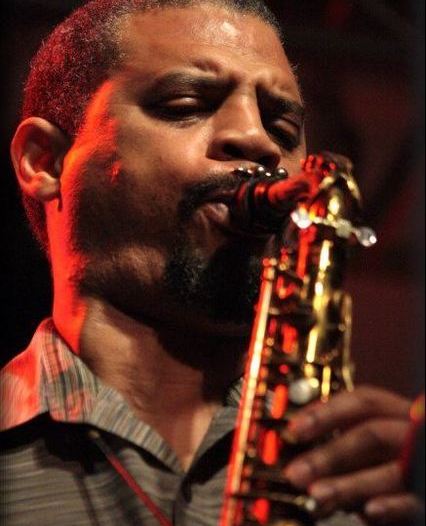
When asked how a player finds their own sound, Steve’s answer had nothing to do with transcribing more solos or studying more players. His answer was to stop thinking about the saxophone altogether and instead focus on being in the moment.
When he plays, he’s thinking about the sound of a cello or a viola, often making connections between string players and some of his favorite saxophonists including Johnny Hodges and Marcel Mule. He’s after something pure and personal that can’t be borrowed from someone else. Studying your influences is important and necessary, especially early on. But at a certain point, you have to leave them behind.
When you walk on a gig, nobody wants to hear Charlie Parker, they want to hear you. That’s a simple idea, but it’s one that a lot of players never fully internalize.
Work on What’s Actually Broken
Steve is direct about this one. Don’t spend your practice time on the things you’re already comfortable with. That’s not practice, that’s just playing. Real practice means identifying what isn’t working and going after it specifically. Your articulation. Your air support. Your control in the upper register. The things you’d rather avoid.
He also puts a lot of emphasis on not building bad habits in the first place. Because once they’re embedded in your playing, they are very difficult to undo. The time you spend fixing a bad habit later is time you could have spent building something new.
A Career Is a Marathon — Treat It Like One
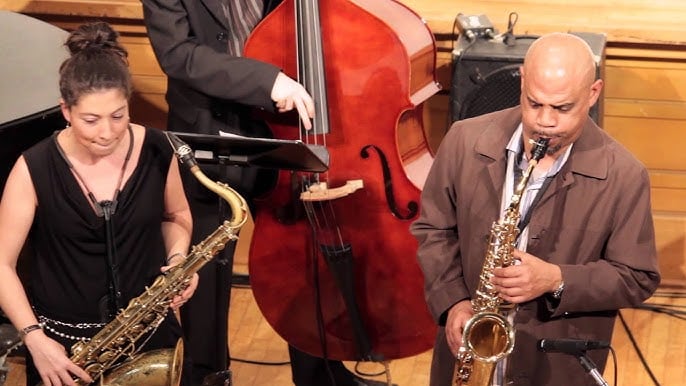
For any musician who is serious about doing this long term, this might be the most valuable thing Steve had to say. His advice is to frontload your preparation. Put in the deep work while you’re young, before life gets complicated, because the opportunities that come your way later are almost impossible to predict right now.
Beyond just playing, broaden what you’re able to do. The musicians who sustain long careers are rarely the ones who only know how to play. They can teach, communicate, present, and connect with people. And above everything else, build real relationships. With other musicians, with mentors, with the people around you in the music. Genuine human connection and realizing that it is a marathon, not a sprint. That is what a long career is actually built on. Want to hear more about what pros practice? Check out this article here!





2 thoughts on “I Asked Jazz Pros What They Practice and Didn’t Expect This”
Jay. You are THE BEST in your field. You get great interviews from great players!
PS. I bought a Better Sax Tenor after a guy in our workshop bought one. Great sound – gives my 1956 Mk VI a run for its money.
I could listen to Steve for hours! He is a great communicator and really motivated me to improve my sax playing. Please have him on again as he is fantastic! I have been playing sax for over 60 years and his comments really hit home. Thanks again Jay.