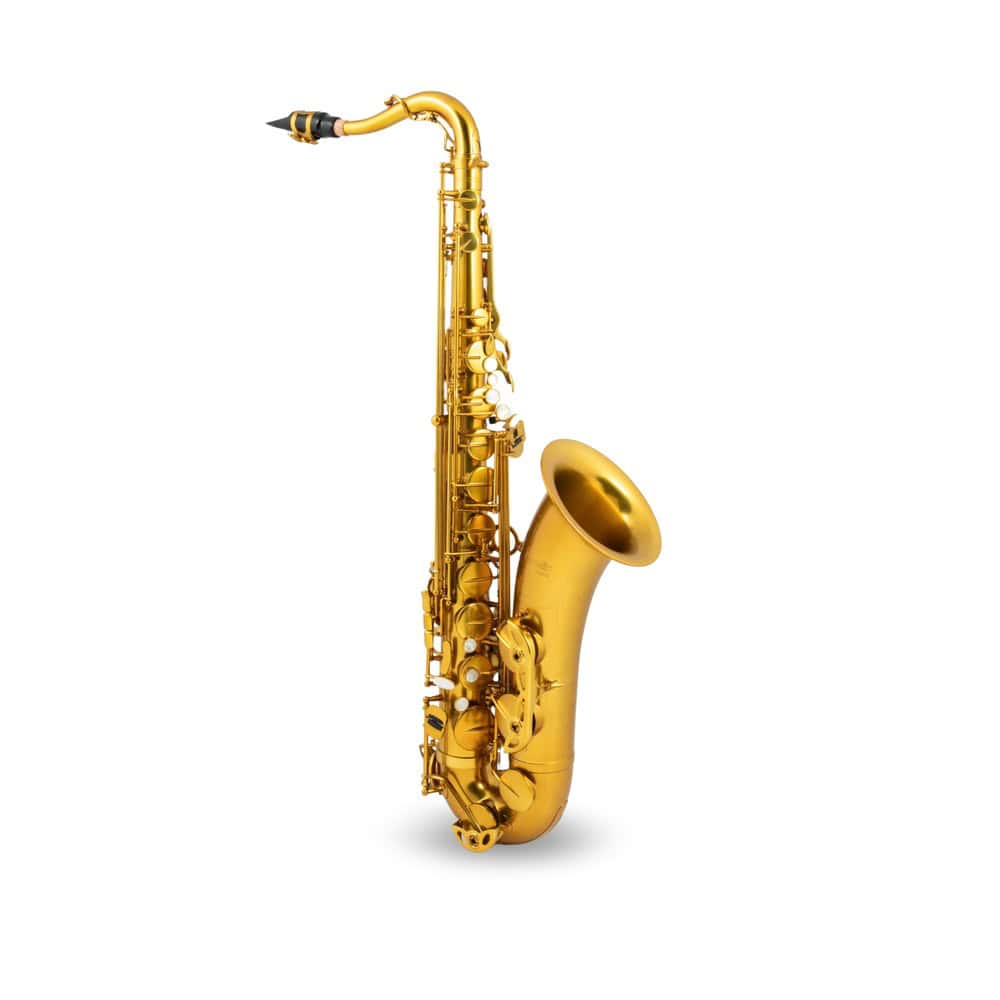
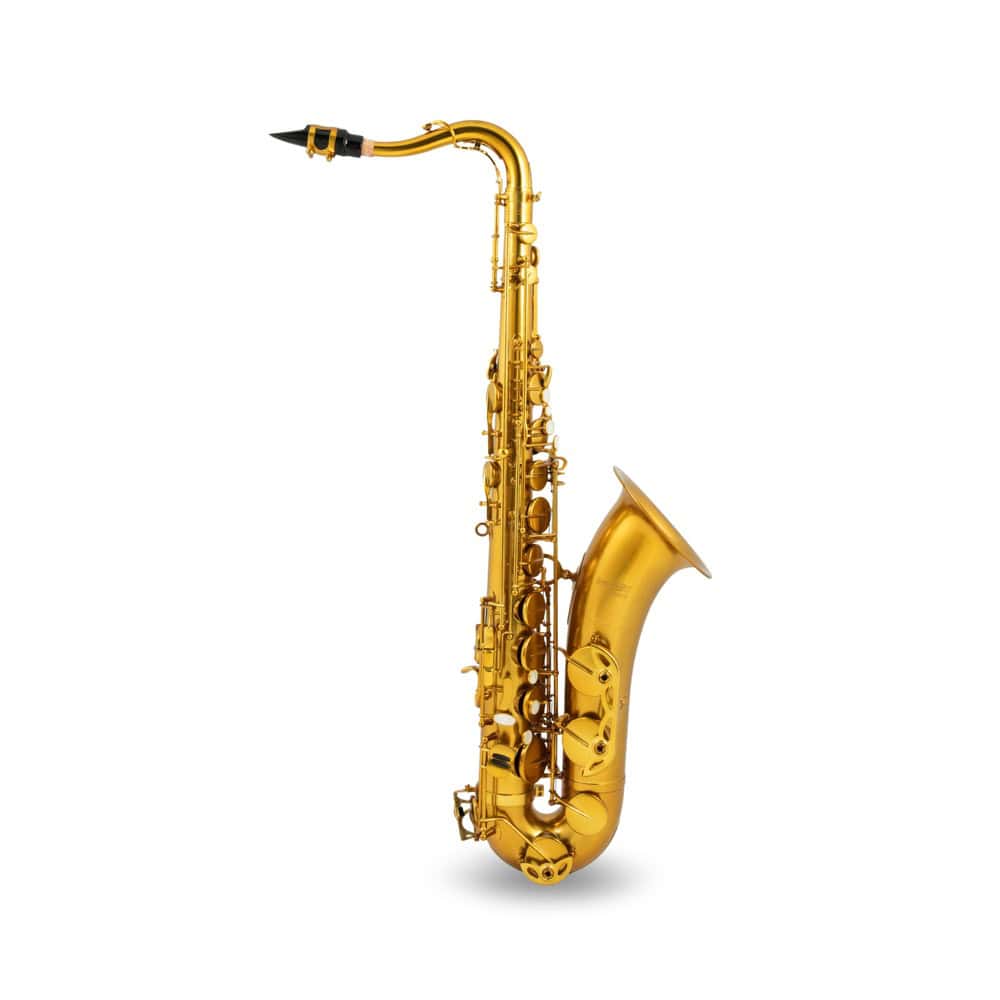

Saxophones have been getting more and more expensive, but what you get for your money hasn’t really changed much in a long time.
After selling over 13,000 BetterSax saxophones in the last 5 years, it’s clear that people are ready for the major shift that’s taking place in the saxophone world.
So in this post (and the video above), I’m going to show you why the new Session tenor saxophone is going to further disrupt the industry.
First Listen: How the Session Tenor Saxophone Sounds
Before I get into what makes this horn special, I want you to hear it. Press play on the video above and listen to the first example.
There’s a lot to cover. If at any point you want to see the price in your area or order one, this link takes you straight to your regional BetterSax dealer.
When you’re choosing a saxophone, a few things matter way more than everything else. Number one is sound.
Sound: The Session Tenor Neck and Body
If a saxophone can’t make a great sound, nothing else matters. A lot of that sound starts right at the neck.
A Neck Tenon With No Speed Bump
The bore of a saxophone is a cone. It’s supposed to get wider the whole way from the mouthpiece to the bell.
But on most saxophones, the part of the neck that slides into the body is a straight cylindrical tube, and there’s usually a little gap where it ends. So right where the neck meets the body, your air hits what’s essentially a speed bump.
On the Session tenor, the tenon is a cone on the inside and a cylinder on the outside. It still fits the receiver perfectly, but on the inside the cone just keeps going, with no step and no gap.
A Tenor Neck Designed for Vintage-Style Tone
That tenon design is shared with the Session alto, but the tenor neck is its own thing.
The bore and taper were chosen to give this horn a tone and resonance reminiscent of the best vintage saxophones.
Intonation Across the Full Range
Intonation on the Session tenor is spot on across the full range. It’s so nice not to have any notes that stand out as needing special embouchure adjustments for tuning.
Tenor players are particularly interested in how the low end responds, though, and that’s an area we gave extra attention to.
The Low End: A Two-Piece Bow and Bell
From playing subtone to blasting out low B-flats, the low end can really define how a tenor saxophone performs.
Take a look at where the bow meets the bell.
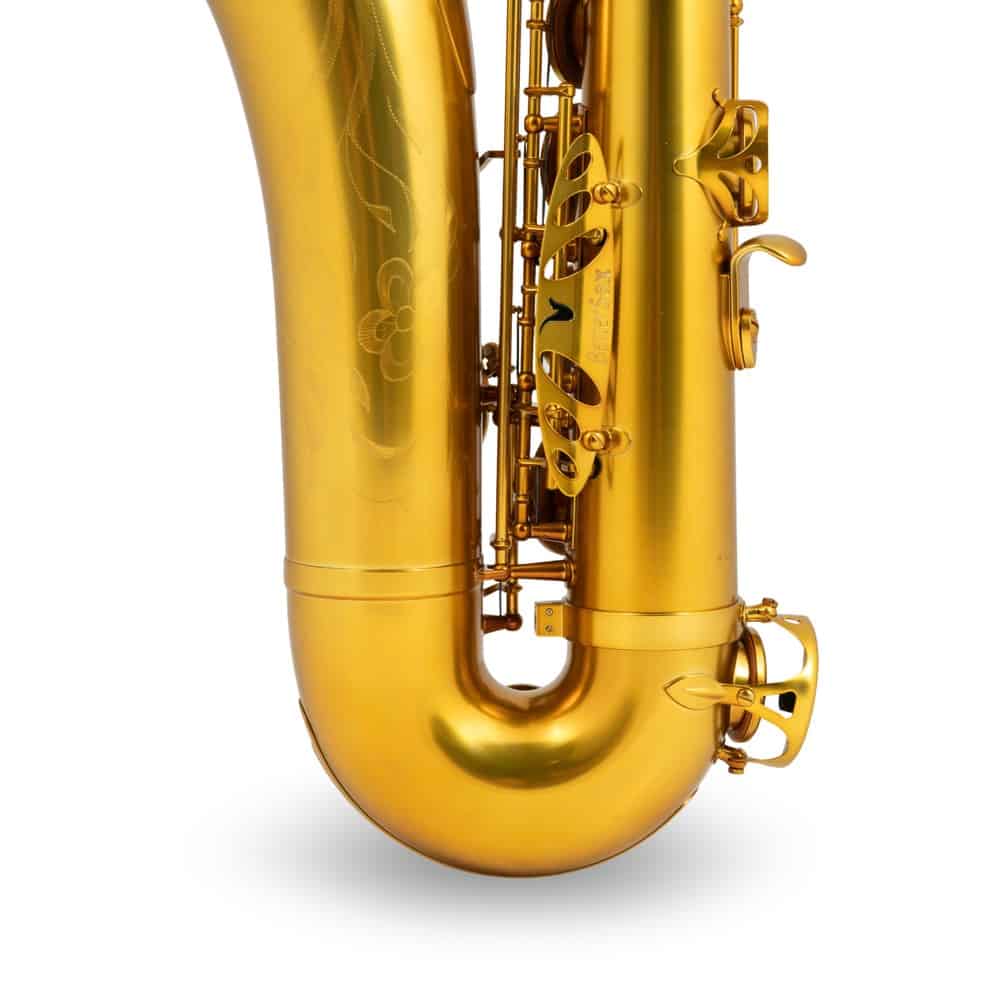
Nearly all other saxophones have three separate parts soldered together here: the bow, the bell, and a brass ring that connects them.
The Session tenor only uses two parts. The bow and bell fit each other so precisely that the clamping ring isn’t necessary, so the bow is attached directly to the bell.
That means less metal, less solder, and better low note response.
Thicker Brass Where It Counts
The bow and bell are also made of slightly thicker 0.8mm brass than the body tube and neck, which use the standard 0.7mm.
The thicker brass for the low end further enhances the response and overtones.
But how a saxophone sounds is only one side of the coin. A great horn needs to feel effortless under your fingers.
Feel: Light, Even Key Action and Modern Ergonomics
One thing that really bothers me about new saxophones is that they almost always have overly tight spring tensions.
I don’t know why manufacturers do this. If I had to guess, it’s easier to hide small leaks if players have to squeeze the keys really hard to close them.
I see no reason why a brand new horn shouldn’t be set up to feel like it’s already well broken in and played on for years.
Every Spring Set and Measured
Every blue steel spring on every Session tenor is set and measured to a precise tension, for a professional action that’s light and snappy.
We use force gauges to make sure the key action is consistent on all horns.
When players try the Session at trade shows, we’re constantly told how great it feels compared to other brands. I know the spring tension setup is a big part of that.
Spring-Loaded Bushings for a Quiet Action
The pivot screw keys sit on spring-loaded bushings. These exert slight pressure, which eliminates the side-to-side play that can develop over time.
It also gives you a quieter, smoother key action.
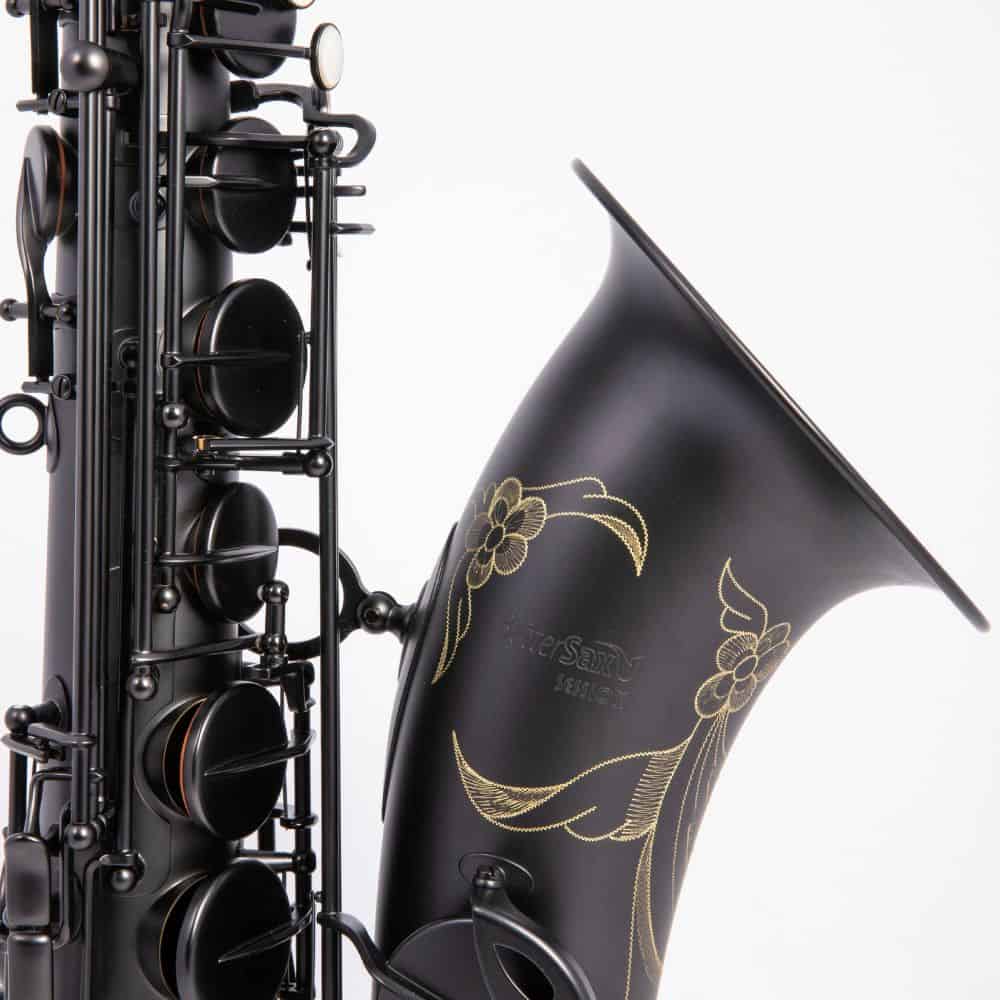
Palm Keys, Front F and Thumb Rest
The palm keys are at a modern height, so most players won’t need risers. The front F sits in exactly the right spot to minimize the finger movement it takes to press that key.
The right-hand thumb rest uses the same design as the Session alto. We cast an ergonomic shape rather than just bending a flat piece of brass, which makes it much more comfortable.
Bezel-Set Pearls and a Lighter Horn
The mother of pearl key touches are bezel set rather than glued, so you never have to worry about them failing.
The Session is also lighter than most comparable tenors out there, and your neck will thank you for that after a long gig or practice session.
Getting a brand new horn that plays perfectly when you first take it out of the case is very important. But we want our horns to perform like that for a lifetime.
Built to Stay in Adjustment
As a long-time saxophone repair technician, I can tell you the most important thing for the life of your pads is how well they’re installed on day one.
Matched Key Sets and Leveled Key Cups
All Session key sets are matched to an individual saxophone body throughout assembly, to make sure they fit perfectly.
The pads are then dry fitted to their key cups, and the key cups are leveled to the tone holes.
Pro Pads With Metal Resonators
During final assembly, Pisoni Pro pads with metal resonators are installed with the perfect amount of shellac. The result is a horn that’s incredibly well set up and seals perfectly.
That cuts down the maintenance you’ll need and greatly increases the life of your pads.
Hard-Wearing Parts and a Two-Year Warranty
The neck strap ring is made from much harder nickel silver, so you never have to worry about wearing through it.
And if your tech ever needs a part for a repair, every part is readily available. The Session also comes with a two-year warranty.
But the biggest reason these horns play so well right out of the case is something you’ll never see on a spec sheet.
Double Set-Up: Why the Session Tenor Plays Right Out of the Case
When a new saxophone gets boxed right after it’s put together, it goes out of adjustment on the way to you. The brass, pads, corks and springs are all still settling, so the first thing it needs is a trip to the repair tech’s bench.
We don’t do it that way.
Every Session saxophone is put together and set up by a team we’ve worked with for years. We have very tight specifications and check each horn rigorously.
Then we let them sit for at least two weeks.
After that, every horn gets a second complete check and adjustment, and only then does it go in the case.
And our dealers check them again when they arrive. That’s why we only sell through dealers who have technicians.
This process costs time and money, but it’s one of the things that makes the biggest difference to you when you get your new saxophone.
I’ve personally played through countless horns to dial in the smallest details.
So the horn comes out of the case ready to rock. But we put something else in there that might surprise you.
What’s in the Case: Session Tenor Mouthpiece and Backpack Case
Most people never even play the mouthpiece that comes with a pro horn. They expect a stock mouthpiece that’s meant to work for everyone but ends up being played by no one.
We didn’t want that with the Session tenor. Every one comes with our new Session tenor mouthpiece, which I play throughout the video.
How the Session Tenor Mouthpiece Is Made
This hard rubber mouthpiece is made with a process that blends the best of old and new.
The rubber is first vulcanized around a core, like all vintage pieces were. That gives you a chamber shape that can’t be made with a CNC machine.
Then each one gets fine-tuned on a CNC lathe for the precision and consistency we expect from modern mouthpieces.
Finally, each one is hand finished and polished into a great-playing jazz mouthpiece you’ll likely want to spend a lot of time with.
A Backpack Case With Memory Foam
The case is the same one that comes with the Session alto, but fitted for tenor.
It’s a backpack case with padded straps, and the horn sits in a molded memory foam nest.
There’s plenty of storage, and it even comes with a rain cover.
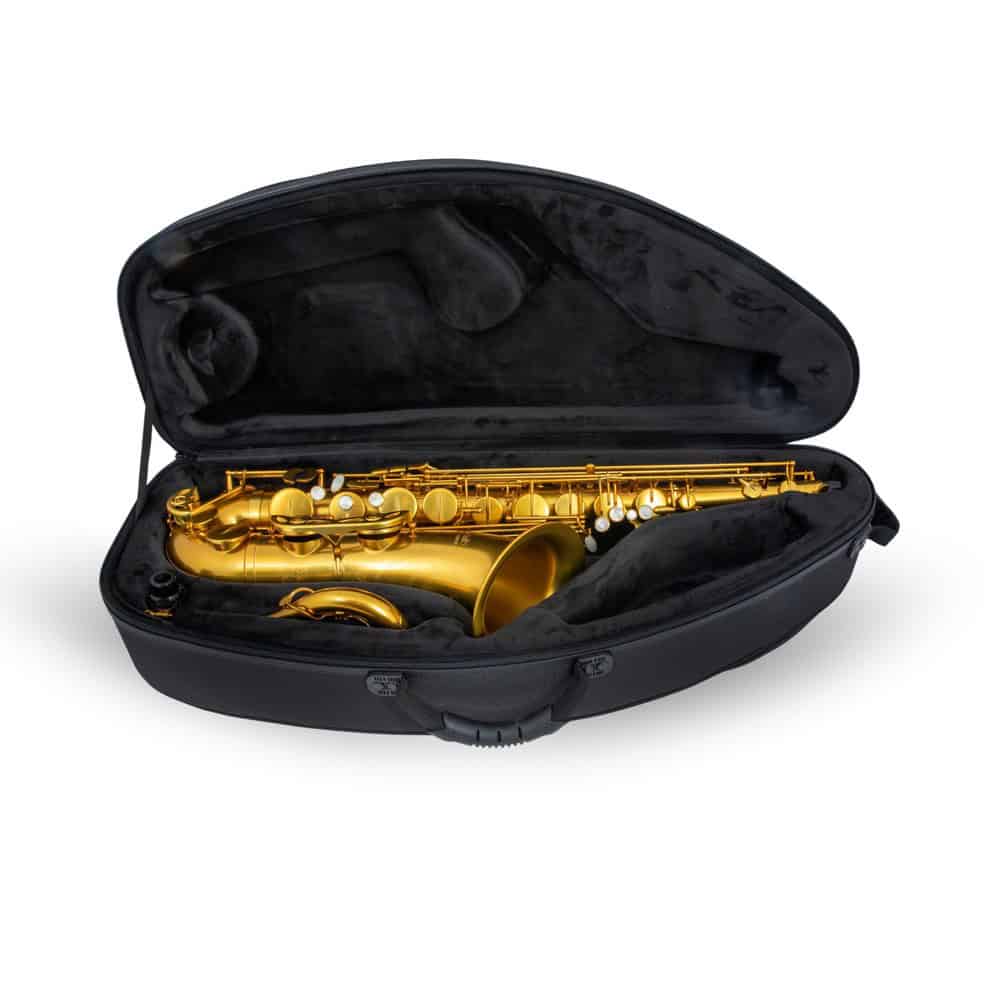
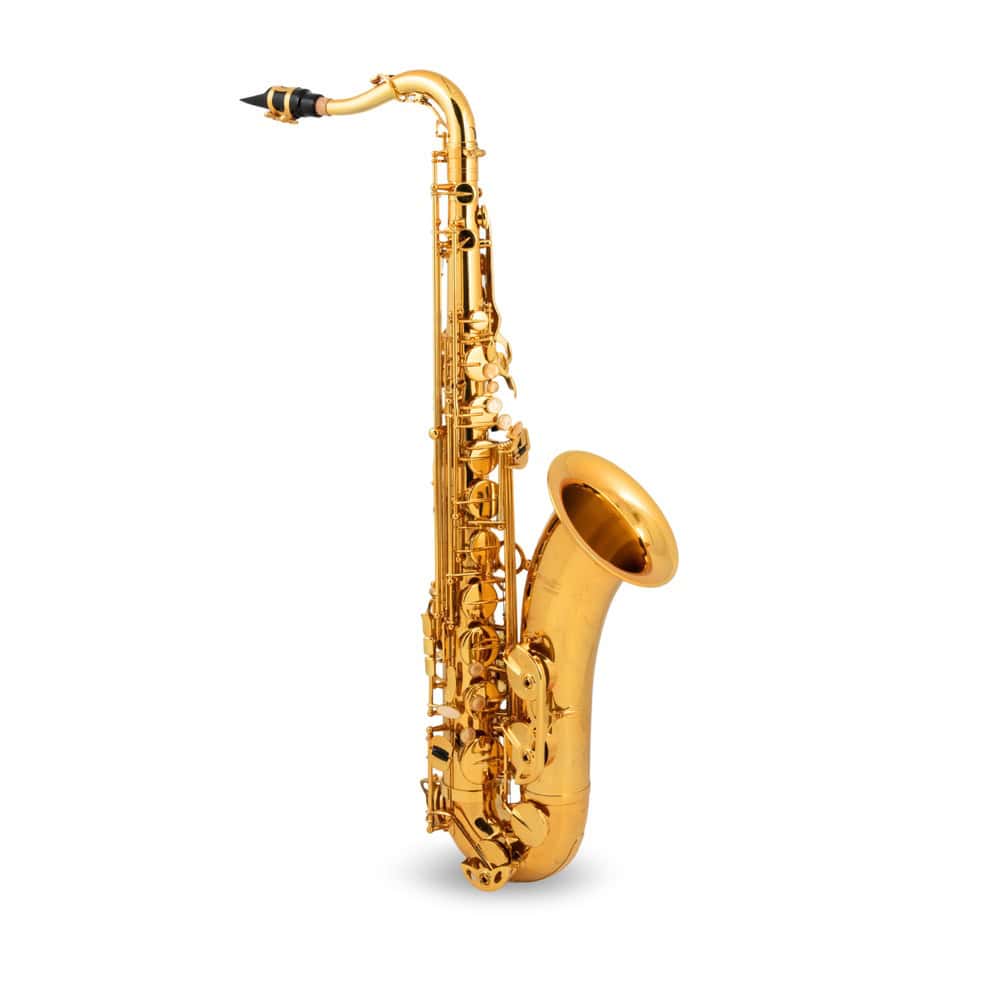
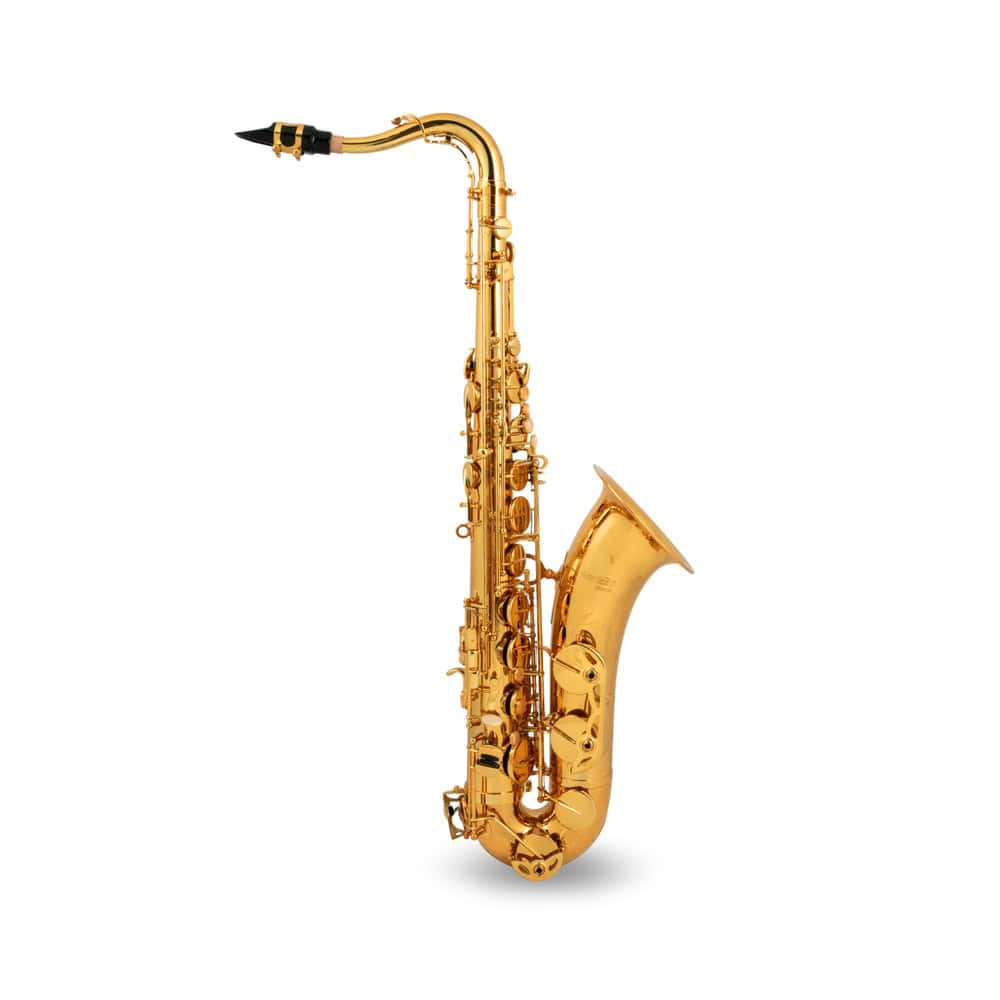
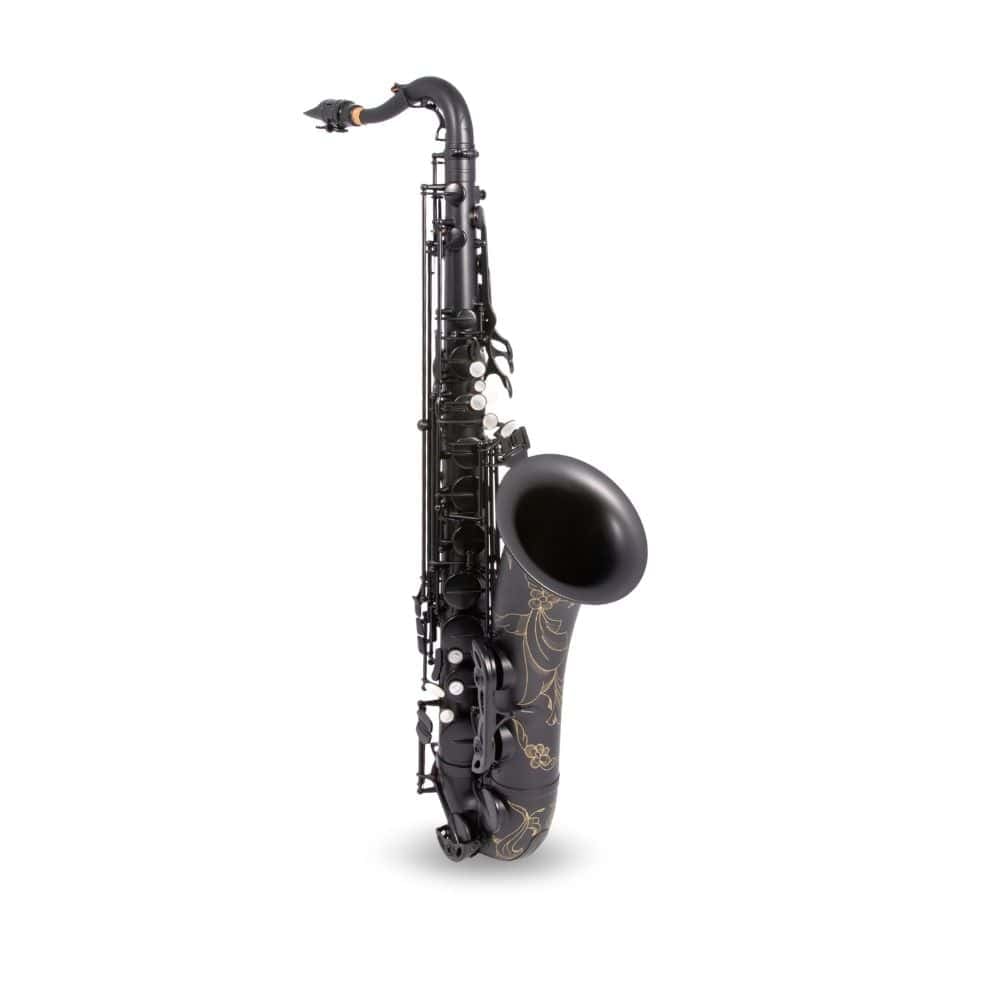
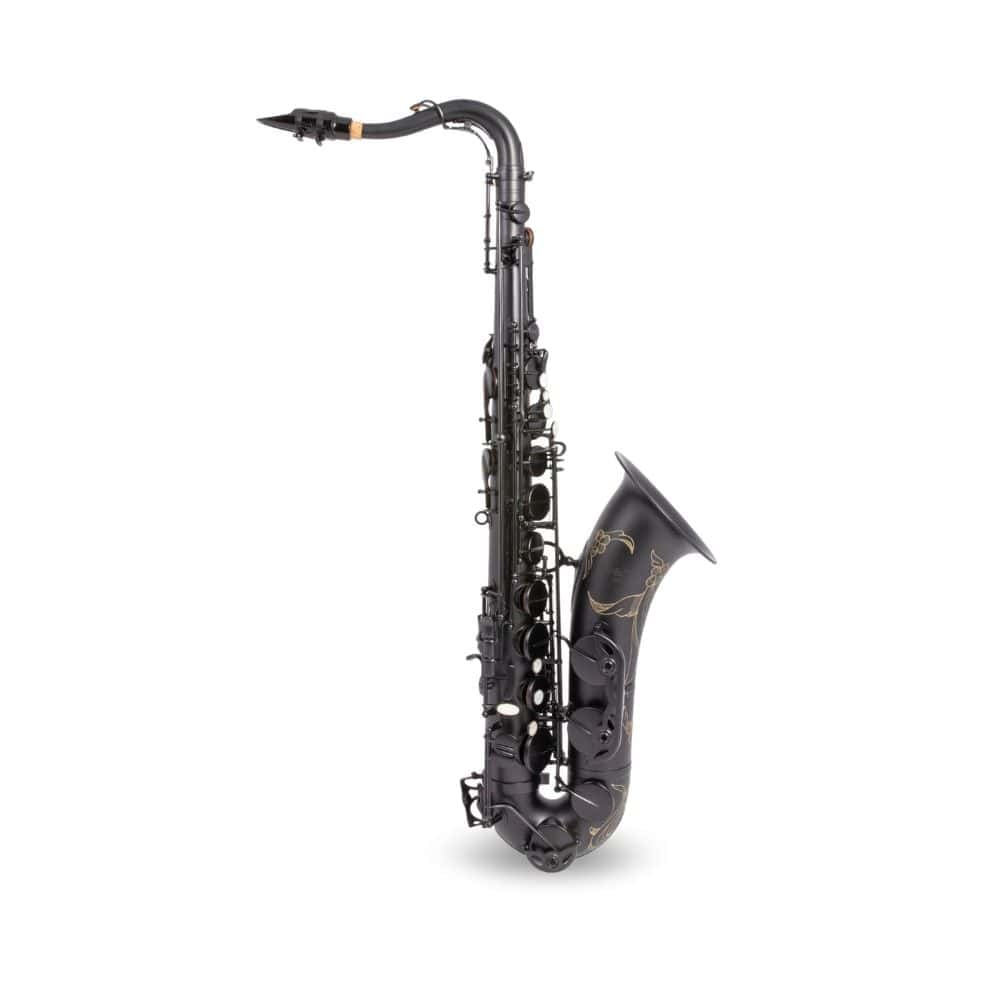
Session Tenor Finishes: Matte Black, Dark Gold Matte and Gold Lacquer
The unique finishes of the Session altos have been very popular, especially our Bond-villain matte black. For the release of the Session tenor, we wanted to add another option.
For the launch, the Session tenor comes in three finishes:
- Bond-villain matte black (see it here)
- Dark gold matte (see it here)
- Gold lacquer, a beautiful new finish (see it here)
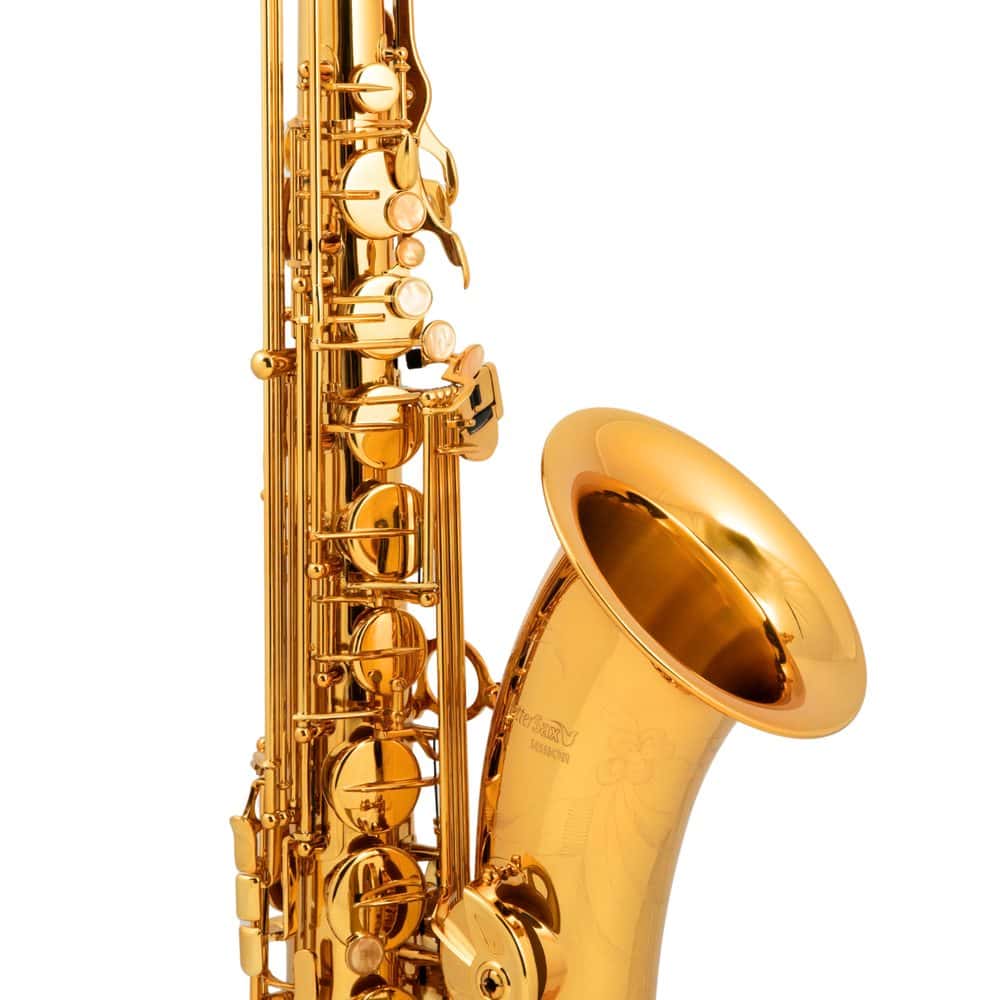
Every one is hand engraved with a design that BetterSax team member Marcy Lyzun made just for this horn.
I’ve been running through a lot of specs and technical details, since I know that’s important to a lot of saxophonists. But we all know the thing that matters most is how it plays.
Session Artists: Eric Alexander and Adam Larson
We knew when we were developing the Session tenor that we had made a horn worthy of the highest level of saxophone performance.
But I also know how much of a challenge it is to get people in a serious long-term relationship with their current instrument to make a switch.
That’s why it’s especially meaningful to us that, before this instrument has even launched, one of the top saxophone players in the world, Eric Alexander, is playing it for all his performances and recordings.
In Eric’s words: “This is the best saxophone I have ever played.”
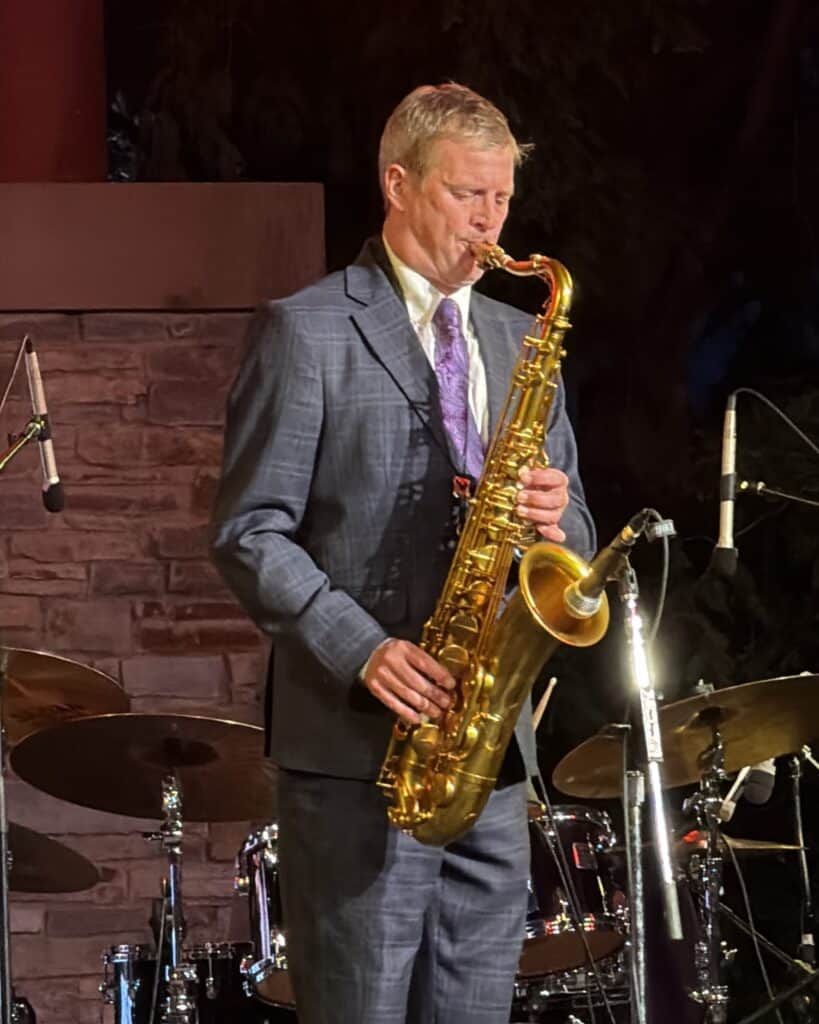
Read more about Eric in The Greatest Saxophone Duo of Our Time.
We’ve also added Adam Larson to our Session tenor artist roster. Adam is one of the most sought-after university jazz clinicians in the country and a world-class performer.
You might know Adam from this technique post.
We’ll be bringing on more Session artists in the months to come, because this is a saxophone you really have to play to understand.
Why the Session Tenor Costs Less
Everyone just wants to know the price, and that’s the thing that ends up confusing people the most.
The prices of saxophones, and pretty much everything else, have been going up and up.
As a new company, we’ve been actively looking for ways to make great saxophones that are also more accessibly priced. After all, our mission is to get more people around the world playing the saxophone.
That’s a noble goal, but sometimes it actually works against us. People are so used to things costing so much that when they see a lower price, they naturally assume it must be an inferior product.
So how can the Session tenor cost so much less, yet be as good as or better than instruments costing twice as much?
We’ve built our systems completely differently from legacy instrument makers, and that means much lower operating costs.
We’re a team of only 8 people, yet we’ve made and sold over 13,000 saxophones in our first 5 years.
By doing things more efficiently, we keep our costs down. Rather than just keeping the extra as profit, we pass the savings on to our customers.
That’s because we’re saxophonists, musicians and music teachers, not corporate suits who answer to investors.
Some people will only ever want the more expensive thing, because in their minds that must be better. And to them I say: if it makes you feel better, we can charge you more.
Where to Buy the Session Tenor Saxophone
The Session tenor is officially launched. This link takes you to the BetterSax dealer in your region, so you can get the price in your local currency.
Our dealers are Sweetwater (USA), Twigg Music (Canada), SAX London (UK) and Thomann (EU), and all of them have technicians who check every horn when it arrives.
Still deciding between models? Here’s how the Classic and Session compare.
Read this next: Not sure which finish to choose? Earlier this year we ran an experiment with over 50 high-level saxophone players to find out if the finish changes the sound at all. The results weren’t what I expected: We Tested How Saxophone Lacquer Changes the Sound.