⭐️ Get the Free Solo Transcription PDF
The Secret is Not My Mouthpiece or in a Jazz Book: Saxophone Lessons from Baptiste Herbin
In our latest interview, French alto saxophonist Baptiste Herbin sat down to break down the details behind his sound, his phrasing, and his approach to jazz improvisation. What follows is a look at the ideas that stood out most, from tone production to harmonic vocabulary to mindset. Watch the full video above for all the details.
Building a Personal Saxophone Sound
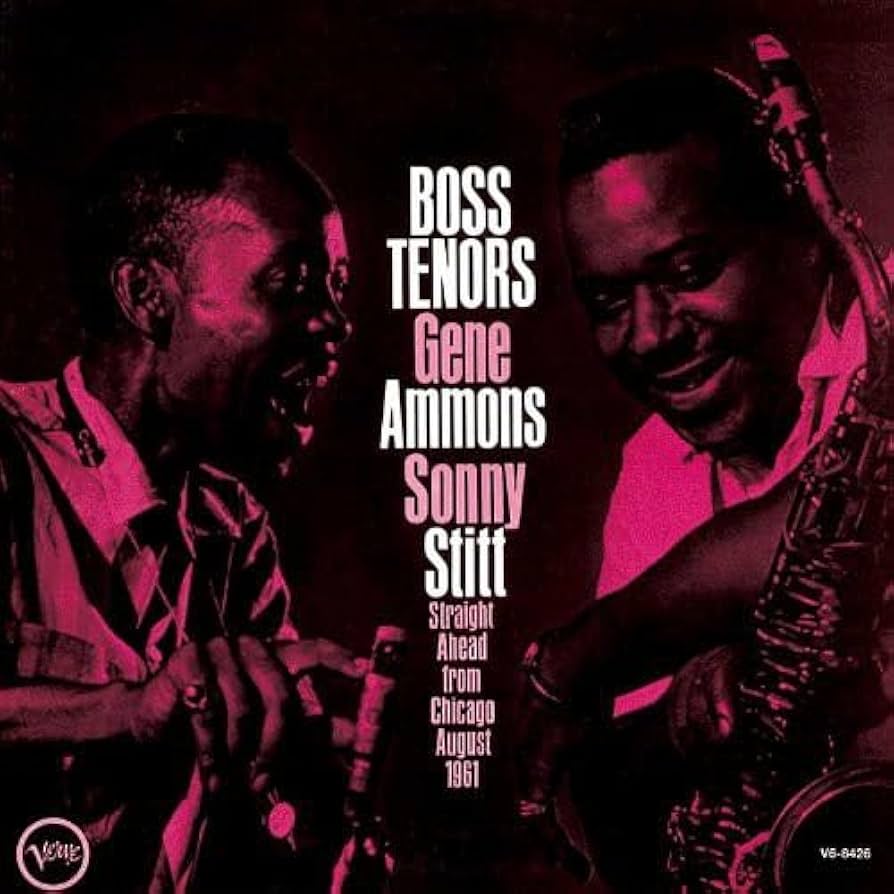
Herbin traced his tone back through a lineage of influences, starting with the open, funky edge of Maceo Parker and moving toward the warmer, rounder West Coast sound of Paul Desmond. He noted that his embouchure has opened up over the years, and that he now plays with more air and less resistance on a number 3 reed and 5 mouthpiece tip opening. Cannonball Adderley, Sonny Stitt, and Charlie Parker rounded out the early influences that shaped his phrasing on bebop language, while Desmond’s influence shows up on his newer Django Reinhardt-inspired project.
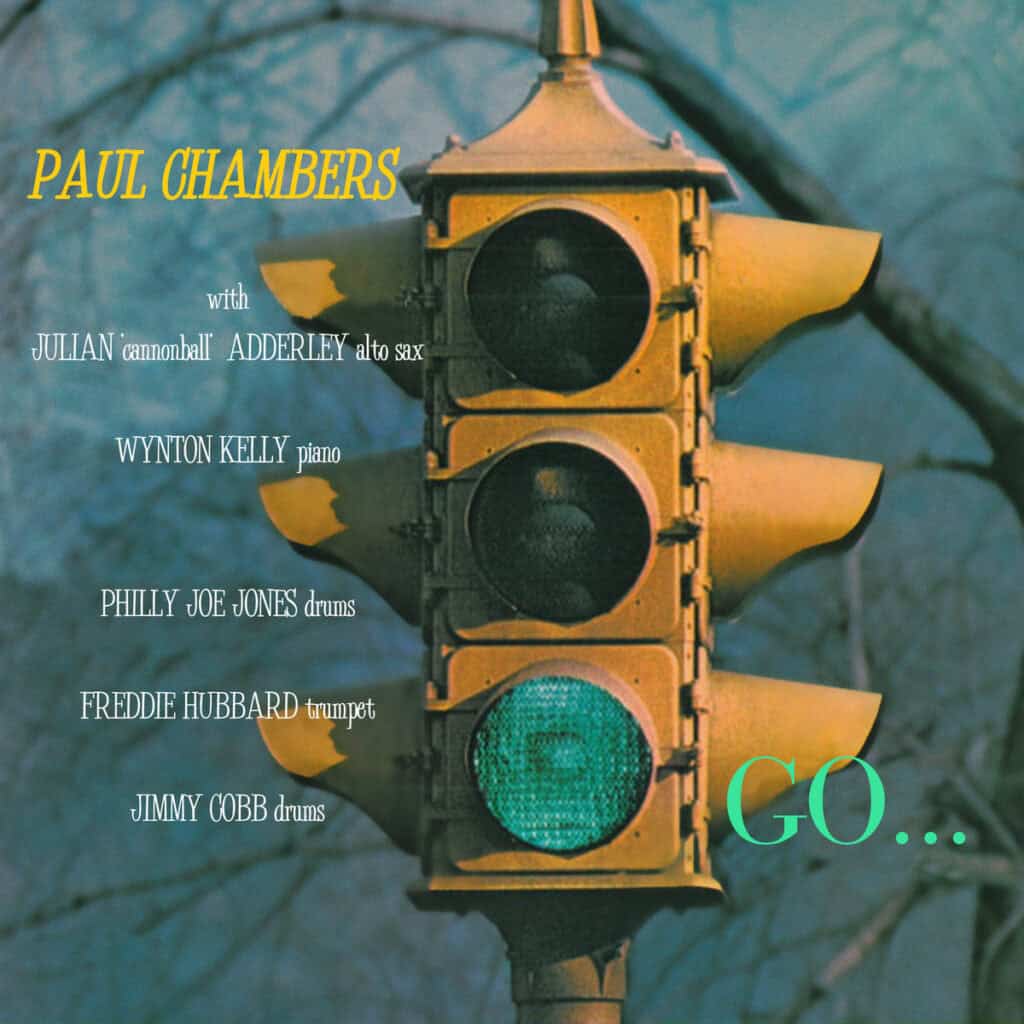
The first version of There Is No Greater Love he studied came from the Paul Chambers album Go featuring Cannonball Adderley.
Interpret the Melody Before You Improvise
One of the clearest takeaways was Herbin’s insistence that learning a jazz standard starts with the melody, not the changes. Before adding embellishments or diving into improvisation, he studies vocal versions from singers like Frank Sinatra, Ella Fitzgerald, and Sarah Vaughan to understand the lyric and phrasing behind the tune. He pointed to John Coltrane as the model for this kind of melodic interpretation.
Tritone Substitution and Minor ii-V-i Vocabulary
The conversation moved into concrete jazz harmony territory, including a breakdown of tritone substitution and how Herbin thinks through minor ii-V-i progressions. Rather than defaulting to a half-diminished locrian sound over the ii chord, he favors thinking in minor 6 or harmonic minor, borrowing choices from Charlie Parker and Dexter Gordon like the natural 9th over a minor 7 flat 5 chord. It’s a reminder that “correct” theory often has more flexibility built in than method books suggest.

Solos as Storytelling: Contrast, Surprise, and Humor
Herbin compared building a solo to making a film: the listener needs contrast, tension, humor, and release. He talked about deliberately holding back certain licks and effects during a set so that a full concert unfolds gradually, rather than front-loading every trick in the first tune. He also spoke about landing phrases on guide tones, tonic, fifth, or a target note, the same way a gymnast sticks a landing, even in the middle of a fast double-time run.
Altissimo, Diminished Ideas, and Guide Tones
Later in the interview, Herbin dug into altissimo register ideas built on intervals of sevenths, diminished patterns resolving to major 6 chords, and the guide tones (thirds and sevenths) that anchor his lines through fast-moving changes.
Special Sax Effects
When asked about the trills that he used in his solo, Baptiste explained that he uses the E palm key, similar to how Johnny Hodges did this sort of effect. Ben Webster also includes this at the end of his solos, along with many other tenor players. We want the first A section to sound a little different from the second A section. Have fun with the rhythm and tempo. Shift the notes a little. Effects like this one can be used as a little humorous effect.

The Real Answer: Listen, transcribe, practice
When asked the questions he gets most often, mouthpiece recommendations and method book requests, Herbin pushed back on both. His answer: there is no shortcut. The real “method” is a list of records, serious listening at home, and transcription. In his words, it isn’t the answer people want to hear, but it’s the one that works.
For more practice tips, Check out this video here. Practice Saxophone Like This For 30 Days (You’ll Never Play the Same)