🎷 Back To School Saxophone Sale
$100 off Classic alto saxophones, $200 off Classic tenor saxophones.
Own a beautiful, well-built saxophone for less that the cost of most rentals with 48 month no interest financing from Sweetwater. $19/month for alto $32/month for tenor.
Ends September 30, 2026.
Differences Between Alto and Tenor Saxophone
Most beginners are told they have to start on alto saxophone, but that advice might be wrong for you. If you’re not sure which saxophone to choose, you’re not alone.
So in this blog, I’m going to break down the key differences you need to understand between alto and tenor saxophone. And by the end, you’ll know exactly which one is right for you.
Essential Alto/Tenor Sax Tips to Know
You may have heard that the fingerings and the way you make a sound are more or less the same on any saxophone — this is true.
So whichever version you choose to play, everything you learn can be transferred pretty easily to any other saxophone. In fact, I’ve got a fingering chart you can download for free, and it applies to any saxophone. Download the free BetterSax Fingering Chart here
You do need to be aware that some of your accessories will only work on one type of saxophone, though.
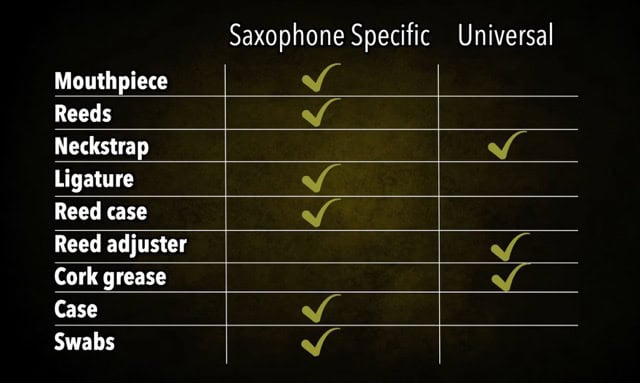
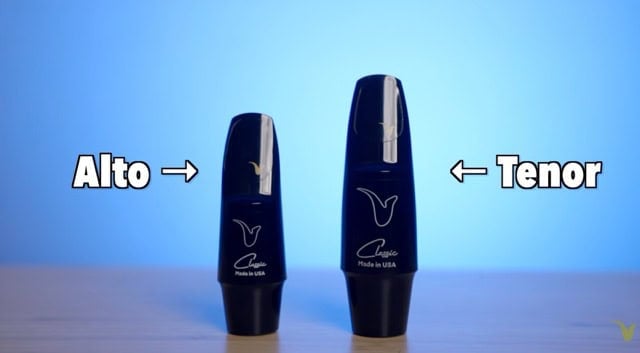
An alto saxophone mouthpiece only works for an alto saxophone, and the same goes for reeds — tenor saxophone reeds should only be used on a tenor saxophone mouthpiece.
Other things, like neck straps or reed adjusters, can work for all types of saxophones.
Producing a Saxophone Tone and Embouchure
Producing a good tone is the hardest part for beginners. It’s easy to end up sounding like a distressed alpaca.
Getting this part right is so important. Luckily, I made a whole video with clear, easy-to-follow embouchure instructions. Copy This Sax Embouchure For A Beautiful Sound
If you follow those instructions and build a good embouchure, and get proper air support from the start, you’ll have a much easier time — no matter which saxophone you choose. However, experienced players will tell you something important.
Developing a good alto sound doesn’t guarantee a good tenor sound. And the same is true in reverse. That’s part of why not everyone should default to alto.
I’ll get into that reasoning a little later.
Alto/Tenor Saxophone Keys and Transposition
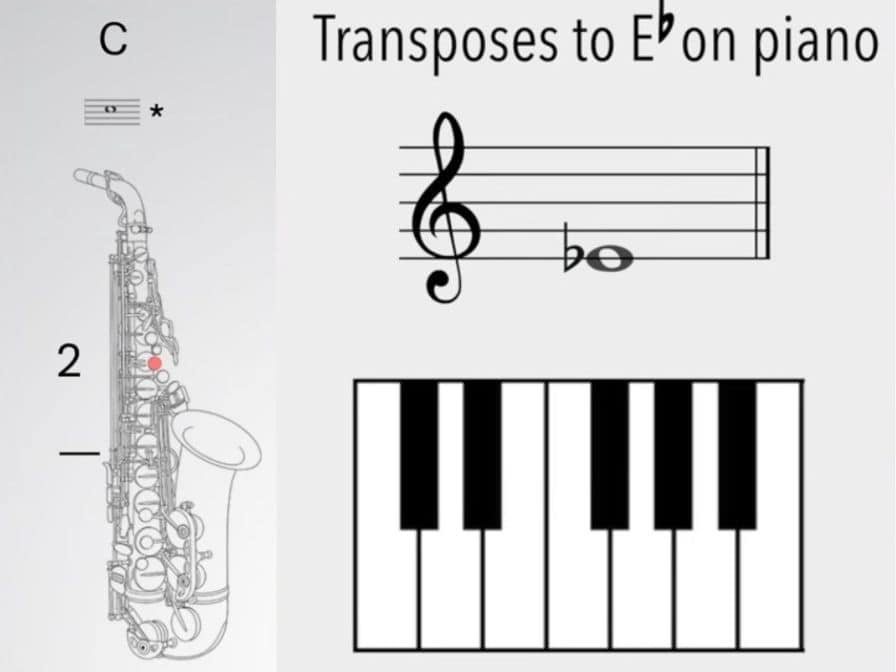
The saxophone is a transposing instrument. This means that when I play a C on my saxophone, it’s not the same note as a C on the piano or the guitar.
The reason for this has to do with the way we read music. The simplest explanation is that by making instruments transpose, we can keep all of the notes in an easy-to-read range on the musical staff. For example, if the tenor saxophone did not transpose, you’d have to read bass clef with a lot of ledger lines.
Alto is in the key of E-flat, and tenor is in the key of B-flat.
If you’re not used to transposing instruments, this is just something you have to accept and deal with in your mind. But there’s a real, physical difference between these instruments that we can’t ignore.
Size and Weight Concerns of Larger Saxophones
The tenor saxophone is significantly larger and heavier than the alto. The larger size can be problematic for young kids with smaller hands and arms — and even some adults with smaller hands.
The weight can also be an issue for anyone with back problems, or anyone who can’t support weight well on their neck. If that’s you, you might be better off sticking with the lighter alto saxophone.
Another thing to keep in mind: the alto is much easier to travel with. You’re rarely going to have a problem bringing it as carry-on luggage on a plane, for example.
Most of the time, a tenor will travel as carry-on as well — especially if you have a compact case. However, the typical saxophone case that comes with most tenors might get refused as carry-on luggage, because they’re a bit larger.
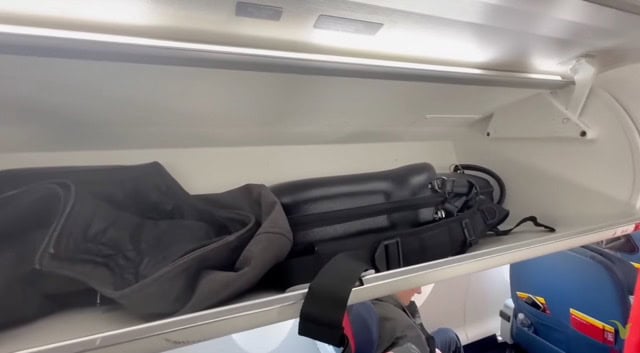
Keep all of this in mind if you plan to travel with your saxophone. But there’s another factor that might matter a lot more, depending on your budget.
Alto vs Tenor Sax Price
Tenor saxophones cost more than alto saxophones. And it’s not just the instrument that costs more — accessories for tenor also cost more, pretty much across the board. But I’ve got some good news on that front. Right now, BetterSax’s Classic Alto and Tenor Saxophones are featured in Sweetwater’s Back to School Sale.
Classic altos are $100 off, and tenors are $200 off, as well as 48-month no-interest financing.
For altos, that works out to about $20 a month. For tenors, it’s around $30 a month — it’s literally never been easier to get started with an amazing brand-new saxophone.
These all come with the accessories you need to get started, including a fantastic beginner mouthpiece that makes developing a great sound so much easier.
But now, let’s talk about the one factor that might outweigh everything else we’ve discussed so far.
Choosing The Sax Sound That Suits You
Everything I’ve mentioned so far is just based on the facts. But there’s one thing to consider that might be the most important — the sound that speaks to you most.
I want you to think of your favorite saxophone player. If you don’t know any saxophone players, think of your favorite saxophone recording instead, and then ask yourself: is that alto or tenor?
When you come across a sound that really speaks to you, figure out if that’s alto or tenor. If none of the other factors we talked about matter that much to you, then let your decision be based solely on sound preference.
What If I Want to Start on Soprano Sax?
Now, you might be thinking: my favorite saxophone sound is the soprano — is it okay to start on that one? This is where I would say yes, but you need to be careful here. It’s actually more difficult to get an in-tune, beautiful sound on soprano than it is on alto or tenor.
But if you’re dead set on the sound of the soprano, and you want to play that instrument, you can start on it. Just know there’s a slightly higher difficulty level to getting that beautiful, in-tune sound you’re after.
Getting there will be so much easier if you get your embouchure right from day one. So make sure you watch this video next, where I explain exactly what to do with your mouth, lips, jaw, teeth, and air — so you don’t end up sounding like a lovesick penguin when you play. Copy This Sax Embouchure For A Beautiful Sound